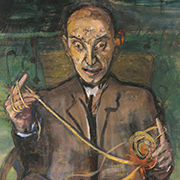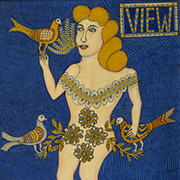

The Ins and Outs of Self-Taught Art
Reflections on a Shifting Field
January 10, 2012 - April 7, 2012
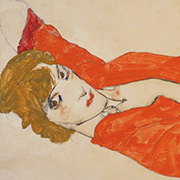
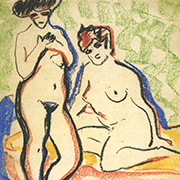
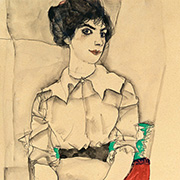
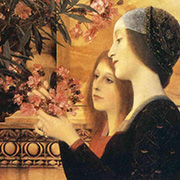
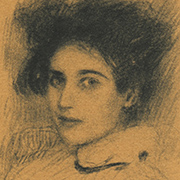
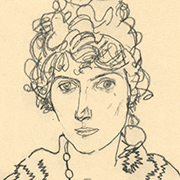
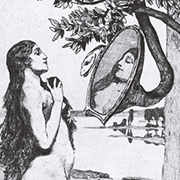
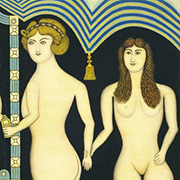
The Lady and the Tramp
Images of Women in Austrian and German Art
October 11, 2011 - December 30, 2011
Recent Acquisitions
(And Some Thoughts on the Current Art Market)
July 5, 2011 - September 30, 2011
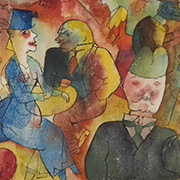
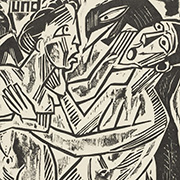
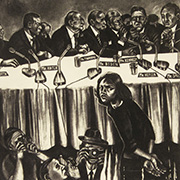
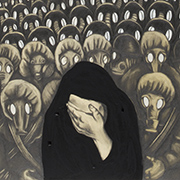
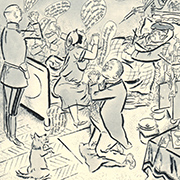
Decadence & Decay
Max Beckmann, Otto Dix, George Grosz
April 12, 2011 - June 24, 2011
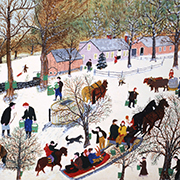
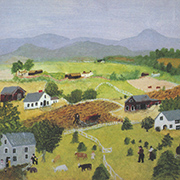
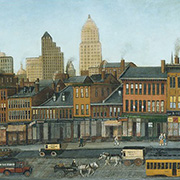
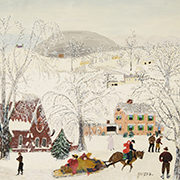
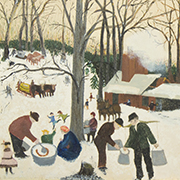
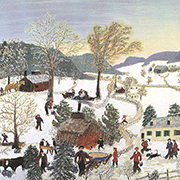
Self-Taught Painters in American 1800-1950
Revisiting the Tradition
January 11, 2011 - April 2, 2011
Marie-Louise Motesiczky
Paradise Lost & Found
October 12, 2010 - December 30, 2010
Recent Acquisitions
(And Some Thoughts on the Current Art Market)
July 13, 2010 - October 1, 2010
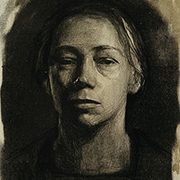
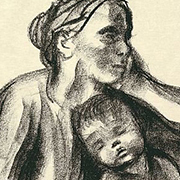
Käthe Kollwitz
A Portrait of the Artist
April 13, 2010 - June 25, 2010
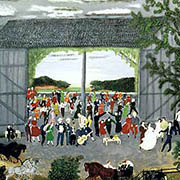
Seventy Years Grandma Moses
A Loan Exhibition Celebrating the 70th Anniversary of the Artist's "Discovery"
February 3, 2010 - April 3, 2010
Egon Schiele as Printmaker
A Loan Exhibition Celebrating the 70th Anniversary of the Galerie St. Etienne
November 3, 2009 - January 23, 2010
From Brücke To Bauhaus
The Meanings of Modernity in Germany, 1905-1933
March 31, 2009 - June 26, 2009
They Taught Themselves
American Self-Taught Painters Between the World Wars
January 9, 2009 - March 14, 2009
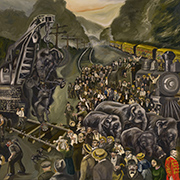
Elephants We Must Never Forget
New Paintings Drawings and Prints by Sue Coe
October 14, 2008 - December 20, 2008
Recent Acquisitions
(And Some Thoughts on the Current Art Market)
June 24, 2008 - September 26, 2008
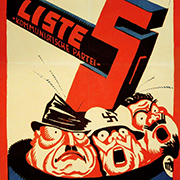
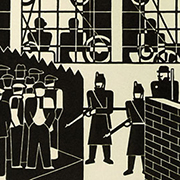
Hope or Menace?
Communism in Germany Between the World Wars
March 25, 2008 - June 13, 2008
Transforming Reality
Pattern and Design in Modern and Self-Taught Art
January 15, 2008 - March 8, 2008
Leonard Baskin
Proofs and Process
October 9, 2007 - January 5, 2008
Recent Acquisitions
(And Some Thoughts on the Current Art Market)
June 5, 2007 - September 28, 2007
Who Paid the Piper?
The Art of Patronage in Fin-de-Siècle Vienna
March 8, 2007 - May 26, 2007
Fairy Tale, Myth and Fantasy
Approaches to Spirituality in Art
December 7, 2006 - February 3, 2007
More Than Coffee was Served
Café Culture in Fin-de-Siècle Vienna and Weimar Germany
September 19, 2006 - November 25, 2006
Recent Acquisitions
(And Some Thoughts on the Current Art Market)
June 6, 2006 - September 8, 2006
Parallel Visions II
"Outsider" and "Insider" Art Today
April 5, 2006 - May 26, 2006
Ilija!
His First American Exhibtion
January 17, 2006 - March 18, 2006
Coming of Age
Egon Schiele and the Modernist Culture of Youth
November 15, 2005 - January 7, 2006
Sue Coe:
Sheep of Fools
September 20, 2005 - November 5, 2005
Recent Acquisitions
And Some Thoughts on the Current Art Market
June 7, 2005 - September 9, 2005
Every Picture Tells a Story
The Narrative Impulse in Modern and Contemporary Art
April 5, 2005 - May 27, 2005
65th Anniversary Exhibition, Part II
Self-Taught Artists
January 18, 2005 - March 26, 2005
65th Anniversary Exhibition, Part I
Austrian and German Expressionism
October 28, 2004 - January 8, 2005
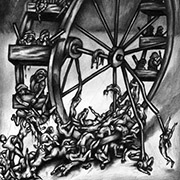
Sue Coe: Bully: Master of the Global Merry-Go-Round and Recent Acquisitions
(And Some Thoughts on the Current Art Market)
June 8, 2004 - October 16, 2004
Animals & Us
The Animal in Contemporary Art
April 1, 2004 - May 22, 2004
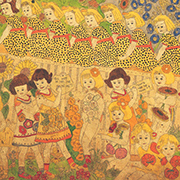
Henry Darger
Art and Myth
January 15, 2004 - March 20, 2004
Body and Soul
Expressionism and the Human Figure
October 7, 2003 - January 3, 2004
Recent Acquisitions
(And Some Thoughts on the Current Art Market)
June 24, 2003 - September 12, 2003
In Search of the "Total Artwork"
Viennese Art and Design 1897–1932
April 8, 2003 - June 14, 2003
Russia's Self-Taught Artists
A New Perspective on the "Outsider"
January 14, 2003 - March 29, 2003
Käthe Kollwitz:
Master Printmaker
October 1, 2002 - January 4, 2003
Recent Acquisitions
(And Some Thoughts on the Current Art Market)
June 25, 2002 - September 20, 2002
Workers of the World
Modern Images of Labor
April 2, 2002 - June 15, 2002
Grandma Moses
Reflections of America
January 15, 2002 - March 16, 2002
Gustav Klimt/Egon Schiele/Oskar Kokoscha
From Art Nouveau to Expressionism
November 23, 2001 - January 5, 2002
The "Black-and-White" Show
Expressionist Graphics in Austria & Germany
September 20, 2001 - November 10, 2001
Recent Acquisitions (And Some Thoughts on the Current Art Market)
June 26, 2001 - September 7, 2001
Art with an Agenda
Politics, Persuasion, Illustration and Decoration
April 10, 2001 - June 16, 2001
"Our Beautiful and Tormented Austria!": Art Brut in the Land of Freud
January 18, 2001 - March 17, 2001
The Tragedy of War
November 16, 2000 - January 6, 2001
The Expressionist City
September 19, 2000 - November 4, 2000
Recent Acquisitions (And Some Thoughts on the Current Art Market)
June 20, 2000 - September 8, 2000
From Façade to Psyche
Turn-of-the-Century Portraiture in Austria & Germany
March 28, 2000 - June 10, 2000
European Self-Taught Art
Brut or Naive?
January 18, 2000 - March 11, 2000
Saved From Europe
In Commemoration of the 60th Anniversary of the Galerie St. Etienne
November 6, 1999 - January 8, 2000
The Modern Child
(Images of Children in Twentieth-Century Art)
September 14, 1999 - November 6, 1999
Recent Acquisitions
(And a Look at Sixty Years of Art Dealing)
June 15, 1999 - September 3, 1999
Sue Coe: The Pit
The Tragical Tale of the Rise and Fall of a Vivisector
March 30, 1999 - June 5, 1999
Henry Darger and His Realms
January 14, 1999 - March 13, 1999
Becoming Käthe Kollwitz
An Artist and Her Influences
November 17, 1998 - December 31, 1998
George Grosz - Elfriede Lohse-Wächtler
Art & Gender in Weimar Germany
September 23, 1998 - November 11, 1998
Recent Acquisitions
(And Some Thoughts About Looted Art)
June 9, 1998 - September 11, 1998
Taboo
Repression and Revolt in Modern Art
March 26, 1998 - May 30, 1998
Sacred & Profane
Michel Nedjar and Expressionist Primitivism
January 13, 1998 - March 14, 1998
Egon Schiele (1890-1918)
Master Draughtsman
November 18, 1997 - January 3, 1998
The New Objectivity
Realism in Weimar-Era Germany
September 16, 1997 - November 8, 1997
Recent Acquisitions
A Question of Quality
June 10, 1997 - September 5, 1997
Käthe Kollwitz - Lea Grundig
Two German Women & The Art of Protest
March 25, 1997 - May 31, 1997
That Way Madness Lies
Expressionism and the Art of Gugging
January 14, 1997 - March 15, 1997
The Viennese Line
Art and Design Circa 1900
November 18, 1996 - January 4, 1997
Emil Nolde - Christian Rohlfs
Two German Expressionist Masters
September 24, 1996 - November 9, 1996
Breaking All The Rules
Art in Transition
June 11, 1996 - September 6, 1996
Sue Coe's Ship of Fools
March 26, 1996 - May 24, 1996
New York Folk
Lawrence Lebduska, Abraham Levin, Isreal Litwak
January 16, 1996 - March 16, 1996
The Fractured Form
Expressionism and the Human Body
November 15, 1995 - January 6, 1996
From Left to Right
Social Realism in Germany and Russia, Circa 1919-1933
September 19, 1995 - November 4, 1995
Recent Acquisitions
June 20, 1995 - September 8, 1995
On the Brink 1900-2000
The Turning of Two Centuries
March 28, 1995 - May 26, 1995
Earl Cummingham - Grandma Moses
Visions of America
January 17, 1995 - March 18, 1995
Three Berlin Artists of the Weimar Era: Hannah Höch, Käthe Kollwitz, Jeanne Mam
September 13, 1994 - November 5, 1994
55th Anniversary Exhibition in Memory of Otto Kallir
June 7, 1994 - September 2, 1994
Drawn to Text: Comix Artists as Book Illustrators
May 15, 1994 - January 7, 1995
Sue Coe: We All Fall Down
March 29, 1994 - May 27, 1994
The Forgotten Folk Art of the 1940's
January 18, 1994 - March 19, 1994
Symbolism and the Austrian Avant Garde
Klimt, Schiele and their Contemporaries
November 16, 1993 - January 8, 1994
Art and Politics in Weimar Germany
September 14, 1993 - November 6, 1993
Recent Acquisitions
June 8, 1993 - September 3, 1993
The "Outsider" Question
Non-Academic Art from 1900 to the Present
March 23, 1993 - May 28, 1993
The Dance of Death
Images of Mortality in German Art
January 19, 1993 - March 13, 1993
Art Spiegelman
The Road to Maus
November 17, 1992 - January 9, 1993
Käthe Kollwitz
In Celebration of the 125th Anniversary of the Artist's Birth
September 15, 1992 - November 7, 1992
Naive Visions/Art Nouveau and Expressionism/Sue Coe: The Road to the White House
May 19, 1992 - September 4, 1992
Richard Gerstl/Oskar Kokoschka
March 17, 1992 - May 9, 1992
Scandal, Outrage, Censorship
Controversy in Modern Art
January 21, 1992 - March 7, 1992
Viennese Graphic Design
From Secession to Expressionism
November 19, 1991 - January 11, 1992
The Expressionist Figure
September 10, 1991 - November 9, 1991
Recent Acquisitions
Themes and Variations
May 14, 1991 - August 16, 1991
Sue Coe Retrospective
Political Document of a Decade
March 12, 1991 - May 5, 1991
Gustav Klimt, Egon Schiele, Oskar Kokoschka
Watercolors, drawings and prints
January 22, 1991 - March 2, 1991
Egon Schiele
November 13, 1990 - January 12, 1991
Lovis Corinth
A Retrospective
September 11, 1990 - November 3, 1990
Recent Acquisitions
June 12, 1990 - August 31, 1990
Max Klinger, Käthe Kollwitz, Alfred Kubin
A Study in Influences
March 27, 1990 - June 2, 1990
The Narrative in Art
January 23, 1990 - March 17, 1990
Grandma Moses
November 14, 1989 - January 13, 1990
Sue Coe
Porkopolis--Animals and Industry
September 19, 1989 - November 4, 1989
Galerie St. Etienne
A History in Documents and Pictures
June 20, 1989 - September 8, 1989
Gustav Klimt
Paintings and Drawings
April 11, 1989 - June 10, 1989
Fifty Years Galerie St. Etienne: An Overview
February 14, 1989 - April 1, 1989
Folk Artists at Work
Morris Hirshfield, John Kane and Grandma Moses
November 15, 1988 - January 14, 1989
Recent Acquisitions and Works From the Collection
June 14, 1988 - September 16, 1988
From Art Nouveau to Expressionism
April 12, 1988 - May 27, 1988
Three Pre-Expressionists
Lovis Corinth Käthe Kollwitz Paula Modersohn-Becker
January 26, 1988 - March 12, 1988
Käthe Kollwitz
The Power of the Print
November 17, 1987 - January 16, 1988
Recent Acquisitions and Works From the Collection
April 7, 1987 - October 31, 1987
Folk Art of This Century
February 10, 1987 - March 28, 1987
Oskar Kokoschka and His Time
November 25, 1986 - January 31, 1987
Viennese Design and Wiener Werkstätte
September 23, 1986 - November 8, 1986
Gustav Klimt/Egon Schiele/Oskar Kokoschka
Watercolors, Drawings and Prints
May 27, 1986 - September 13, 1986
Expressionist Painters
March 25, 1986 - May 10, 1986
Käthe Kollwitz/Paula Modersohn-Becker
January 28, 1986 - March 15, 1986
The Art of Giving
December 3, 1985 - January 18, 1986
Expressionists on Paper
October 8, 1985 - November 23, 1985
European and American Landscapes
June 4, 1985 - September 13, 1985
Expressionist Printmaking
Aspects of its Genesis and Development
April 1, 1985 - May 24, 1985
Expressionist Masters
January 18, 1985 - March 23, 1985
Arnold Schoenberg's Vienna
November 13, 1984 - January 5, 1985
Grandma Moses and Selected Folk Paintings
September 25, 1984 - November 3, 1984
American Folk Art
People, Places and Things
June 12, 1984 - September 14, 1984
John Kane
Modern America's First Folk Painter
April 17, 1984 - May 25, 1984
Eugène Mihaesco
The Illustrator as Artist
February 28, 1984 - April 7, 1984
Early Expressionist Masters
January 17, 1984 - February 18, 1984
Paula Modersohn-Becker
Germany's Pioneer Modernist
November 15, 1983 - January 7, 1984
Gustav Klimt
Drawings and Selected Paintings
September 20, 1983 - November 5, 1983
Early and Late
Drawings, Paintings & Prints from Academicism to Expressionism
June 1, 1983 - September 2, 1983
Alfred Kubin
Visions From The Other Side
March 22, 1983 - May 7, 1983
20th Century Folk
The First Generation
January 18, 1983 - March 12, 1983
Grandma Moses
The Artist Behind the Myth
November 15, 1982 - January 8, 1983
Kollwitz
The Artist as Printmaker
September 28, 1982 - November 6, 1982
Aspects of Modernism
June 1, 1982 - September 3, 1982
The Human Perspective
Recent Acquisitions
March 16, 1982 - May 15, 1982
19th and 20th Century European and American Folk Art
January 19, 1982 - March 6, 1982
The Folk Art Tradition
Naïve Painting in Europe and the United States
November 17, 1981 - January 9, 1982
Austria's Expressionism
April 21, 1981 - May 30, 1981
Eugène Mihaesco
His First American One-Man Show
March 3, 1981 - April 11, 1981
Gustav Klimt, Egon Schiele
November 12, 1980 - December 27, 1980
Summer Exhibition
June 17, 1980 - October 31, 1980
Kollwitz: The Drawing and The Print
May 1, 1980 - June 10, 1980
40th Anniversary Exhibition
November 13, 1979 - December 28, 1979
American Primitive Art
November 22, 1977
Käthe Kollwitz
December 1, 1976
Neue Galerie-Galerie St. Etienne
A Documentary Exhibition
May 1, 1976
Martin Pajeck
January 27, 1976
Georges Rouault and Frans Masereel
April 29, 1972
Branko Paradis
December 1, 1971
Käthe Kollwitz
February 3, 1971
Egon Schiele
The Graphic Work
October 19, 1970
Gustav Klimt
March 20, 1970
Friedrich Hundertwasser
May 6, 1969
Austrian Art of the 20th Century
March 21, 1969
Egon Schiele
Memorial Exhibition
October 31, 1968
Yugoslav Primitive Art
April 30, 1968
Alfred Kubin
January 30, 1968
Käthe Kollwitz
In the Cause of Humanity
October 23, 1967
Abraham Levin
September 26, 1967
Karl Stark
April 5, 1967
Gustav Klimt
February 4, 1967
The Wiener Werkstätte
November 16, 1966
Oskar Laske
October 25, 1965
Käthe Kollwitz
May 1, 1965
Egon Schiele
Watercolors and Drawings from American Collections
March 1, 1965
25th Anniversary Exhibition
Part II
November 21, 1964
25th Anniversary Exhibition
Part I
October 17, 1964
Mary Urban
June 9, 1964
Werner Berg, Jane Muus and Mura Dehn
May 5, 1964
Eugen Spiro
April 4, 1964
B. F. Dolbin
Drawings of an Epoch
March 3, 1964
Austrian Expressionists
January 6, 1964
Joseph Rifesser
December 3, 1963
Panorama of Yugoslav Primitive Art
October 21, 1963
Joe Henry
Watercolors of Vermont
May 1, 1963
French Impressionists
March 8, 1963
Grandma Moses
Memorial Exhibition
November 26, 1962
Group Show
October 15, 1962
Ernst Barlach
March 23, 1962
Martin Pajeck
February 24, 1962
Paintings by Expressionists
January 27, 1962
Käthe Kollwitz
November 11, 1961
Grandma Moses
September 7, 1961
My Friends
Fourth Biennial of Pictures by American School Children
May 27, 1961
Raimonds Staprans
April 17, 1961
Gustav Klimt, Egon Schiele, Oskar Kokoschka and Alfred Kubin
March 14, 1961
Marvin Meisels
January 23, 1961
Egon Schiele
November 15, 1960
My Life's History
Paintings by Grandma Moses
September 12, 1960
Watercolors and Drawings by Austrian Artists from the Dial Collection
May 2, 1960
Martin Pajeck
February 29, 1960
Eugen Spiro
February 6, 1960
Käthe Kollwitz
December 14, 1959
Josef Scharl
Last Paintings and Drawings
November 11, 1959
European and American Expressionists
September 22, 1959
Our Town
One Hundred Paintings by American School Children
May 23, 1959
Marvin Meisels and Martin Pajeck
May 1, 1959
Gustav Klimt
April 1, 1959
Käthe Kollwitz
January 12, 1959
Oskar Kokoschka
October 28, 1958
Village Life in Guatemala
Paintings by Andres Curuchich
June 3, 1958
Two Unknown American Expressionists
Paintings by Marvin Meisels and Martin Pajeck
April 28, 1958
Paula Modersohn-Becker
March 15, 1958
The Great Tradition in American Painting
American Primitive Art
January 20, 1958
Jules Lefranc and Dominique Lagru
Two French Primitives
November 18, 1957
Margret Bilger
October 22, 1957
The Four Seasons
One Hundred Paintings by American School Children
June 11, 1957
Grandma Moses
May 6, 1957
Alfred Kubin
April 3, 1957
Franz Lerch
March 2, 1957
Egon Schiele
January 21, 1957
Josef Scharl
Memorial Exhibition
November 17, 1956
Irma Rothstein
May 19, 1956
Käthe Kollwitz
April 16, 1956
A Tribute to Grandma Moses
November 28, 1955
As I See Myself
One Hundred Paintings by American School Children
May 20, 1955
Juan De'Prey
April 19, 1955
Erich Heckel
March 29, 1955
Freddy Homburger
March 2, 1955
Masters of the 19th Century
January 18, 1955
Oskar Kokoschka
November 29, 1954
Isabel Case Borgatta and Josef Scharl
October 12, 1954
James N. Rosenberg and Eugen Spiro
April 30, 1954
Per Krogh
April 2, 1954
Cuno Amiet
February 16, 1954
Eniar Jolin
January 14, 1954
Irma Rothstein
December 8, 1953
Josef Scharl
November 11, 1953
Grandma Moses
October 21, 1953 - October 24, 1953
Wilhelm Kaufmann
September 30, 1953
Lovis Corinth, Oskar Kokoschka and Egon Schiele
May 27, 1953
A Grandma Moses Album
Recent Paintings, 1950-1953
April 15, 1953
Streeter Blair
American Primitive
February 26, 1953
Paintings on Glass
Austrian Religious Folk Art of the 17th to 19th Centuries
December 4, 1952
Hasan Kaptan
Paintings of a Ten-Year-Old Turkish Painter
October 29, 1952
Margret Bilger
May 10, 1952
American Natural Painters
March 31, 1952
Ten Years of New York Concert Impressions by Eugen Spiro; Four New Paintings by
January 26, 1952
I-Fa-Wei
Watercolors of New York by a Chinese Artist
December 1, 1951
Käthe Kollwitz
October 25, 1951
Drawings and Watercolors by Austrian Children
May 21, 1951
Grandma Moses
Twenty-Five Masterpieces of Primitive Art
March 17, 1951
Roswitha Bitterlich
January 18, 1951
Oskar Laske
Watercolors of Vienna and the Salzkammergut
October 14, 1950
Tenth Anniversary Exhibition
Part II
May 11, 1950
Austrian Art of the 19th Century
From Wadlmüller to Klimt
April 1, 1950
Chiao Ssu-Tu
February 18, 1950
Anton Faistauer
January 1, 1950
Tenth Anniversary Exhibition
Part I
November 30, 1949
Autograph Exhibition
October 26, 1949
Gladys Wertheim Bachrach
May 24, 1949
Oskar Kokoschka
March 30, 1949
Eugen Spiro
February 19, 1949
Frans Masereel
January 13, 1949
Ten Years Grandma Moses
November 22, 1948
Käthe Kollwitz
Masterworks
October 18, 1948
American Primitives
June 3, 1948
Egon Schiele
Memorial Exhibition
April 5, 1948
Miriam Richman
February 7, 1948
Vally Wieselthier
Memorial Exhibition
January 10, 1948
Christmas Exhibition
December 4, 1947
Fritz von Unruh
November 10, 1947
Käthe Kollwitz
October 4, 1947
Grandma Moses
May 17, 1947
Lovis Corinth
April 16, 1947
Hugo Steiner-Prag
March 15, 1947
Mark Baum
January 11, 1947
Eugen Spiro
November 25, 1946
Henri de Toulouse-Lautrec
May 17, 1946
Ladis W. Sabo
Paintings by a New Primitive Artist
April 8, 1946
Georges Rouault
The Graphic Work
February 26, 1946
Käthe Kollwitz
Memorial Exhibition
November 21, 1945
Fred E. Robertson
Paintings by an American Primitive
June 13, 1945
Max Liebermann
The Graphic Work
April 18, 1945
Vienna through Four Centuries
March 1, 1945
Eugen Spiro
January 20, 1945
Grandma Moses
New Paintings
December 5, 1944
Käthe Kollwitz
Part II
October 26, 1944
A Century of French Graphic Art
From Géricault to Picasso
September 28, 1944
Max Liebermann
Memorial Exhibition
June 9, 1944
Juan De'Prey
Paintings by a Self-Taught Artist from Puerto Rico
May 6, 1944
Abraham Levin
April 15, 1944
Lesser Ury
Memorial Exhibition
March 21, 1944
Grandma Moses
Paintings by the Senior of the American Primitives
February 9, 1944
Betty Lane
January 11, 1944
WaIt Disney Cavalcade
December 9, 1943
Käthe Kollwitz
Part I
November 3, 1943
Will Barnet
September 29, 1943
Lovis Corinth
May 26, 1943
Josephine Joy
Paintings by an American Primitive
May 3, 1943
Oskar Kokoschka
Aspects of His Art
March 31, 1943
Eugen Spiro
February 13, 1943
Seymour Lipton
January 18, 1943
Illuminated Gothic Woodcuts
Printed and Painted, 1477-1493
December 5, 1942
Abraham Levin
November 4, 1942
Walt Disney Originals
September 23, 1942
Documents which Relate History
Documents of Historical Importance and Landmarks of Human Development
June 10, 1942
Honoré Daumier
April 29, 1942
Bertha Trabich
Memorial Exhibition of a Russian-American Primitive
March 25, 1942
Alfred Kubin
Master of Drawing
December 4, 1941
Egon Schiele
November 7, 1941
Betty Lane
June 3, 1941
Flowers from Old Vienna
18th and Early 19th Century Flower Painting
May 7, 1941
Weavings by Navaho and Hopi Indians and Photos of Indians by Helen M. Post
January 29, 1941
Georg Merkel
November 7, 1940
What a Farm Wife Painted
Works by Mrs. Anna Mary Moses
October 9, 1940
Saved from Europe
Masterpieces of European Art
July 1, 1940
American Abstract Art
May 22, 1940
Franz Lerch
May 1, 1940
Wilhelm Thöny
April 3, 1940
French Masters of the 19th and 20th Centuries
February 29, 1940
H. W. Hannau
Metropolis, Photographic Studies of New York
February 2, 1940
Oskar Kokoschka
January 9, 1940
Austrian Masters
November 13, 1939
SUE COE:
Sheep of Fools
Coe, Sue
Sue Coe, one of the most committed activist artists in America, has during her thirty-five-year career charted an idiosyncratic course through an environment that is at best ambivalent toward art with overt socio-political content. Although many early modernists were political progressives, their opposition to bourgeois pictorial norms prompted them to create a personal visual language that was often incomprehensible, if not downright offensive, to the masses. Modernism’s intrinsic elitism made it easy for the movement to be co-opted by the upper classes, establishing a lingering gulf between “high” art and other, more accessible forms of visual expression. At the same time, however, modern capitalism engendered a visually saturated environment, in which readily intelligible images became essential to the processes of selling, educating, informing and indoctrinating. When Coe arrived in New York from her native England in 1972, she faced a choice between an arcane gallery scene and mundane editorial illustration. Initially, in both economic and artistic terms, illustration seemed the superior option: It offered a more secure income and a means to reach a broader audience.
The story is often told of how Coe, figuratively fresh off the boat, landed on the doorstep of the New York Times with a few dollars in her pocket and immediately secured her first illustration assignment for the Magazine. Although the Vietnam War was still raging, the press was beginning to take its watchdog responsibilities seriously. The Times had just published the Pentagon Papers, Watergate was on the horizon, and art director J. C. Saurés was turning the Op-Ed Page into a showcase for inventive political illustration. In the early 1970s, the press seemed to offer an ideal refuge for a young artist with leftist leanings. Yet Coe soon began to chafe at the constraints imposed by even friendly art directors and sometimes less friendly editors. Censorship squabbles came and went. Equally problematic was the necessity of working on tight deadlines and according to externally imposed agendas. Coe believed that the burning issues of the day were too complex to be summarized in single images. Increasingly, she began to pursue independent work.
By the late 1970s, Coe had established her characteristic habit of exploring subjects through extended sequences of drawings. In 1983, with the publication of her first book, How to Commit Suicide in South Africa, and a solo show at the recently founded P-P-O-W Gallery in New York’s East Village, she secured two important new outlets for her work. Although books and exhibitions allowed Coe to investigate topics at her own pace and to develop pathways to different audiences, she continued to supplement her income by doing editorial illustration. Nineteen-eighty-six saw the publication of X (The Life and Times of Malcolm X), while the following year a traveling retrospective, Police State, was accompanied by a portfolio-catalogue that contained reproductions of her most important work to date. In a style reminiscent of George Grosz and John Heartfield, Coe lambasted racism and the injustices of the Reagan era.
Coe’s attempt to maintain a presence in the three parallel realms of books, illustration and fine art was not without its problems. All three arenas are, to varying degrees, subject to market forces, and Coe’s work is not exactly an easy sell. Furthermore, Coe was exquisitely sensitive to situations that could impart even the slightest suggestion of political compromise, such as a 1994 retrospective at the Hirshhorn Museum and Sculpture Garden, or her brief relationship, in the mid ‘90s, with The New Yorker, where the artist’s hard-hitting pictorial exposés were juxtaposed with Calvin Klein and Mercedes ads. When Coe did not herself withdraw from such situations (as she eventually did from The New Yorker), her work nevertheless often failed to fit comfortably within the predefined parameters of her chosen outlets. Coe, after all, is an artist, not a writer, and books invariably entail imposing some sort of structure on an originally loose medley of images, as well as crafting a text that does not undermine the art. Coe’s desire to reach a wide audience causes her to favor older realist traditions over the more obscure postmodernist idiom employed by most contemporary artists. Thus, even when the art scene became politicized in the 1990s, Coe never received the attention accorded such artists as Barbara Kruger and Jenny Holzer, who spoke the art-world’s language. Despite an extremely lengthy resumé, Coe by her own choice remains just slightly off the art-world’s radar screen.
Coe’s decisions about how her work is presented to the public have direct bearing on the nature of the work itself: Is it illustration? Cartooning? Fine art? Or some nameless amalgam of all three? Coe has said that her goal is to bear witness to the hidden suffering that underlies our lives of apparent ease and plenty. She has conducted exhaustive research in places that few of us ever see—AIDS wards, night court, slaughterhouses, factory farms—but she is not a reporter or pictorial journalist in any conventional sense. First of all, some things really are off-limits or have to be imaginatively reconstructed from piecemeal documentation: biotech labs, for example, or shipwrecks at sea. To depict ideas such as genetic engineering and globalization, Coe has recourse to the cartoonist’s tools of symbolism and caricature. But ultimately, to evoke the desired emotional response, she must create masterful compositions that combine compassionate observation with dramatic narrative sweep. If the work does not function first and foremost as art, Coe believes, then the road inward to its content will be blocked.
From the outset of her career, the content of Coe’s work has revolved around injustice, but for close to twenty years her primary subject has been animals. In a world beset by rampant cruelty to humans, Coe’s focus on animals frequently surprises even sympathetic observers. Coe claims she chose animals because she wanted to give these mute victims a voice, but that explanation seems at best incomplete. Precisely because it is so rampant and geographically dispersed, human suffering can appear virtually ungraspable. Although Coe’s examination of apartheid in her South Africa series was masterful, the images lacked the visceral realism of observed experience. On the other hand, Coe did not want to become mired in the specificity of human genocide, migrating randomly from Bosnia to Rwanda to Darfur. Her chief concern was what she saw as the central calamity of modern existence: global capitalism and its treatment of living beings as expendable commodities. This thesis, she felt, was clearly expressed in the widespread abuse of farm and research animals, and in the environmental degradation, food contamination and worker exploitation abetted by the meat industry. Furthermore, this concealed industry exists right in our midst. The interaction between industry and animals could be directly observed by the artist, and it affects everyone on the planet. For Sue Coe, animals became the single subject that encompassed all subjects.
Sheep of Fools (a pun on Sebastian Brant’s fifteenth-century catalogue of human vices, Ship of Fools) is Coe’s third cohesive body of work devoted to animal subject matter. Her first and to date most extensive such series was Porkopolis, encompassing a ten-year investigation of factory farms and slaughterhouses. Beginning with pigs but eventually expanding to include cows, goats, sheep and poultry, this series was published in 1996 under the title Dead Meat. Coe’s adoption of an abandoned pit bull helped inspire her next book, Pit’s Letter (2000), a novella about vivisection that traced various connections between human and animal abuse. Sheep of Fools is a direct outgrowth of Coe’s two preceding series. Comprising a number of short pictorial cycles that include Ghost Sheep, Weapons of Mass Destruction, Fowl Plague, The Man with No Heart and Run!, Coe’s latest drawings combine the sort of direct observation perfected in Porkopolis with constructed narratives reminiscent of Pit’s Letter. As a group, the disparate Sheep vignettes have a cumulative effect, but unlike the Pit drawings, they reach no overarching conclusion. While Sheep of Fools deals with profoundly disturbing events, the artist maintains a relatively light editorial touch, allowing the subjects to speak for themselves.
Although Sheep of Fools exists on a continuum with Coe’s prior animal work, it also reflects changes in her professional orientation. Shortly after publishing Pit’s Letter, the artist left Manhattan to move permanently to upstate New York, where she had for some years maintained a summer cabin. The resultant reduction in living expenses made it possible for her to give up editorial illustration and devote herself full-time to independent artwork. Moving to the country also immersed Coe in aspects of nature and farming that she previously had experienced only as a visitor. In 2002, she began an extremely congenial relationship with the alternative magazine Blab!, which unlike more mainstream publications, places no restrictions of form or content on her work. Working with Blab! and the writer Judith Brody, she has been able to conduct preliminary explorations of subjects, such as those now subsumed within the Sheep of Fools series, to see if they merit deeper investigation. Testing her work before an audience, through publication as well as by giving regular public lectures, is the principal way that Coe hones her message and grows as an artist and as a human being.
Sheep of Fools originated with a brief news clipping about the sinking of a shipful of sheep bound from Australia to Jordan. Coe was struck by the fact that the clipping listed only one (human) casualty and made scant mention of the fact that over 60,000 sheep had also lost their lives. Coe’s attempt to visualize that tragedy resulted in the cycle Ghost Sheep, published in Blab! in 2002. However, the artist remained fascinated with the stories behind the story. The live transport of sheep (and also cattle) from agricultural centers like Australia to the Middle East has become a huge business in the last thirty years, because Islam requires that animals be slaughtered locally according to religious ritual. Yet the animal mortality rate on such transports hovers around 10%, and often the sheep arrive in such miserable shape that the ports refuse to accept them. Coe was curious, too, about what the ships brought back after unloading their animal cargo. (Contraband? No one would say.) She noted that the wool industry, centuries ago, contributed to England’s rise as a world power, and that the use of underpaid immigrant labor aboard ship and in Middle-Eastern slaughterhouses is today part of a widespread effort to shift work away from unionized industrial countries. Whereas the pigs of Porkopolis were farmed and slaughtered locally, sheep, in Coe’s view, are global animals, intimately connected to international trends in commerce and labor. Gradually, Ghost Sheep morphed into the book-length Sheep of Fools.
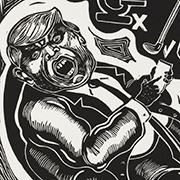
Dead Meat took ten years to find its way into print, but Sheep of Fools is being published only three years after Coe began researching the subject. As a result, she sees this publication as the beginning, rather than the end of a new project. Even as she prepared her book, related subjects inevitably caught her attention. Fowl Plague focuses on avian influenza, which is emblematic of the way industrialized farming in a global environment exacerbates the linkage between animal and human disease. A story in the local paper about a farmer who starved his livestock through neglect inspired the cycle The Man with No Heart. Similarly, Run! reflects the artist’s encounters with local deer hunters. Life in the country has also engendered a deeper attraction to natural materials. Coe has begun making woodcuts, savoring the grain and texture of the wood. Using paper handmade by the artist Eric Avery from the wool of rescued sheep, she has done monoprints based on her sheep sketches. And of course Coe did not to fail to respond to the war in Iraq. Bully, published shortly before the 2004 election, was a send-up of what the artist sees as the Bush administration’s worst failings. Abu Graib inspired several searing woodcuts, while Coe’s Weapons of Mass Destruction series manages to locate the “missing” WMDS: in the AIDS pandemic, the armaments industry and the death penalty
Over the last decades, Coe's youthful rage against human injustice has evolved into a more mature but equally impassioned desire to understand. Art, for her, is part of a learning process, as each project leads her further down the path to understanding. Convinced that capitalism inflames people’s worst competitive instincts, Coe longs for a system that would instead foster mutual cooperation and respect for one another and for other species. Though her work is often grim, she feels it is essentially optimistic. Superficially pleasing art, she says, inspires hopelessness, because people know it is not realistic. Her art, Sue Coe hopes, will suggest solutions and provoke positive change.
Copies of Sue Coe’s book Sheep of Fools (with text by Judith Brody) may be ordered from the gallery for $15.00 in hardcover. Bully: Master of the Global Merry-Go-Round (also with text by Judith Brody) is available for $18.00 in paperback. Copies of Blab! No. 13 (containing Ghost Sheep), No. 14 (containing Weapons of Mass Destruction), No. 15 (containing Fowl Plague) and No. 16 (containing Run!) can be ordered for $20.00 each. If you order by mail, please add $8.00 per publication to cover shipping and handling; New York residents, also add sales tax. Unless otherwise indicated, dimensions given in the checklist entries are those of the sheet. A separate checklist of Coe’s new prints and monoprints is available upon request