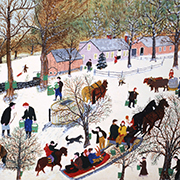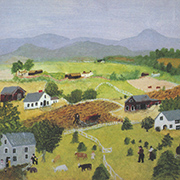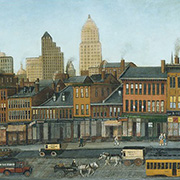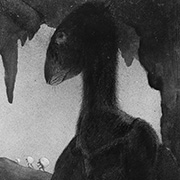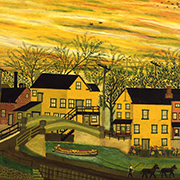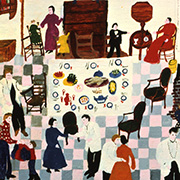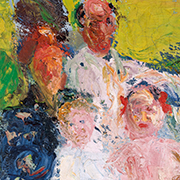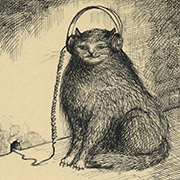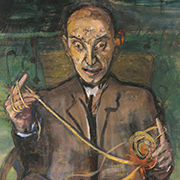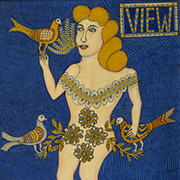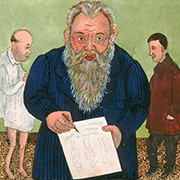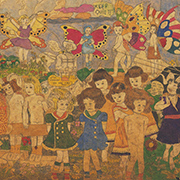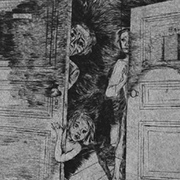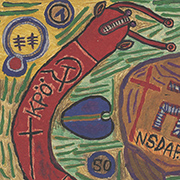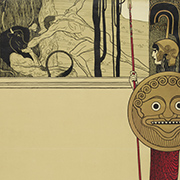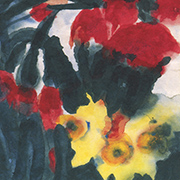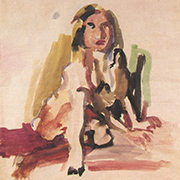

The Ins and Outs of Self-Taught Art
Reflections on a Shifting Field
January 10, 2012 - April 7, 2012
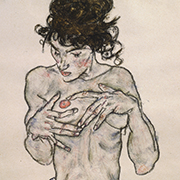
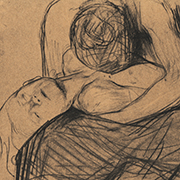
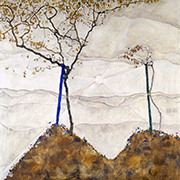
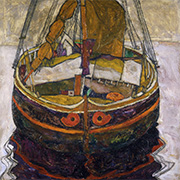
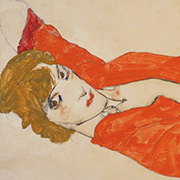
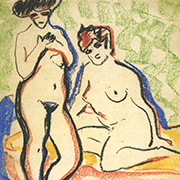
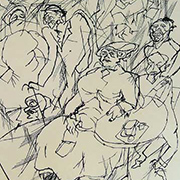
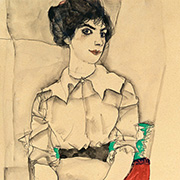
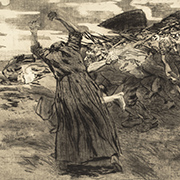
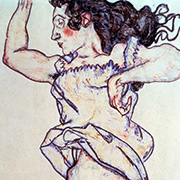
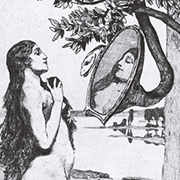
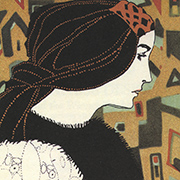
The Lady and the Tramp
Images of Women in Austrian and German Art
October 11, 2011 - December 30, 2011
Recent Acquisitions
(And Some Thoughts on the Current Art Market)
July 5, 2011 - September 30, 2011
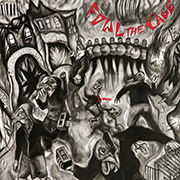
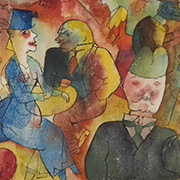
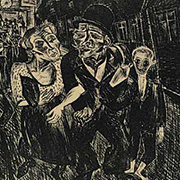
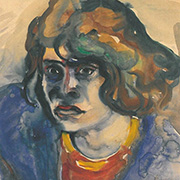
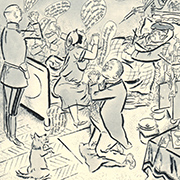
Decadence & Decay
Max Beckmann, Otto Dix, George Grosz
April 12, 2011 - June 24, 2011
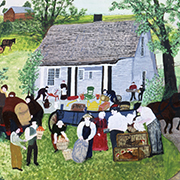
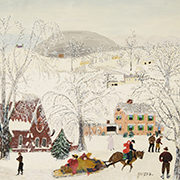
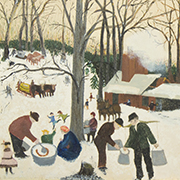
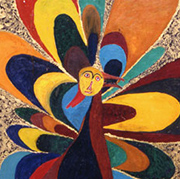
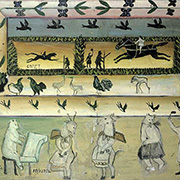
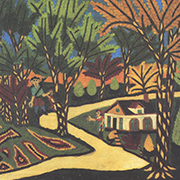
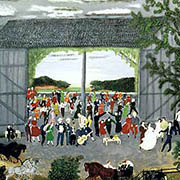
Self-Taught Painters in American 1800-1950
Revisiting the Tradition
January 11, 2011 - April 2, 2011
Marie-Louise Motesiczky
Paradise Lost & Found
October 12, 2010 - December 30, 2010
Recent Acquisitions
(And Some Thoughts on the Current Art Market)
July 13, 2010 - October 1, 2010
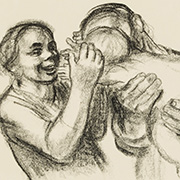
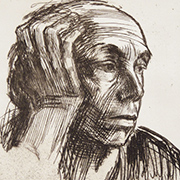
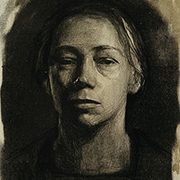
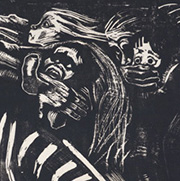
Käthe Kollwitz
A Portrait of the Artist
April 13, 2010 - June 25, 2010
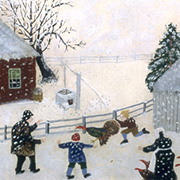
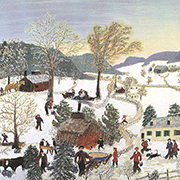
Seventy Years Grandma Moses
A Loan Exhibition Celebrating the 70th Anniversary of the Artist's "Discovery"
February 3, 2010 - April 3, 2010
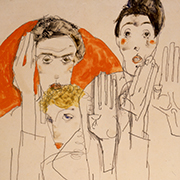
Egon Schiele as Printmaker
A Loan Exhibition Celebrating the 70th Anniversary of the Galerie St. Etienne
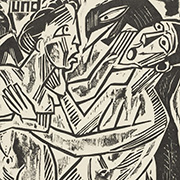
November 3, 2009 - January 23, 2010
From Brücke To Bauhaus
The Meanings of Modernity in Germany, 1905-1933
March 31, 2009 - June 26, 2009
They Taught Themselves
American Self-Taught Painters Between the World Wars
January 9, 2009 - March 14, 2009
Elephants We Must Never Forget
New Paintings Drawings and Prints by Sue Coe
October 14, 2008 - December 20, 2008
Recent Acquisitions
(And Some Thoughts on the Current Art Market)
June 24, 2008 - September 26, 2008
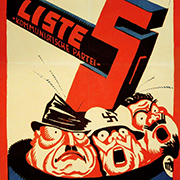
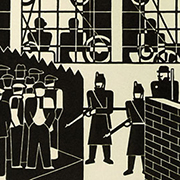
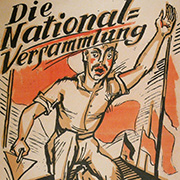
Hope or Menace?
Communism in Germany Between the World Wars
March 25, 2008 - June 13, 2008
Transforming Reality
Pattern and Design in Modern and Self-Taught Art
January 15, 2008 - March 8, 2008
Leonard Baskin
Proofs and Process
October 9, 2007 - January 5, 2008
Recent Acquisitions
(And Some Thoughts on the Current Art Market)
June 5, 2007 - September 28, 2007
Who Paid the Piper?
The Art of Patronage in Fin-de-Siècle Vienna
March 8, 2007 - May 26, 2007
Fairy Tale, Myth and Fantasy
Approaches to Spirituality in Art
December 7, 2006 - February 3, 2007
More Than Coffee was Served
Café Culture in Fin-de-Siècle Vienna and Weimar Germany
September 19, 2006 - November 25, 2006
Recent Acquisitions
(And Some Thoughts on the Current Art Market)
June 6, 2006 - September 8, 2006
Parallel Visions II
"Outsider" and "Insider" Art Today
April 5, 2006 - May 26, 2006
Ilija!
His First American Exhibtion
January 17, 2006 - March 18, 2006
Coming of Age
Egon Schiele and the Modernist Culture of Youth
November 15, 2005 - January 7, 2006
Sue Coe:
Sheep of Fools
September 20, 2005 - November 5, 2005
Recent Acquisitions
And Some Thoughts on the Current Art Market
June 7, 2005 - September 9, 2005
Every Picture Tells a Story
The Narrative Impulse in Modern and Contemporary Art
April 5, 2005 - May 27, 2005
65th Anniversary Exhibition, Part II
Self-Taught Artists
January 18, 2005 - March 26, 2005
65th Anniversary Exhibition, Part I
Austrian and German Expressionism
October 28, 2004 - January 8, 2005
Sue Coe: Bully: Master of the Global Merry-Go-Round and Recent Acquisitions
(And Some Thoughts on the Current Art Market)
June 8, 2004 - October 16, 2004
Animals & Us
The Animal in Contemporary Art
April 1, 2004 - May 22, 2004
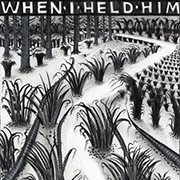
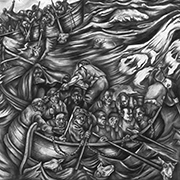
Henry Darger
Art and Myth
January 15, 2004 - March 20, 2004
Body and Soul
Expressionism and the Human Figure
October 7, 2003 - January 3, 2004
Recent Acquisitions
(And Some Thoughts on the Current Art Market)
June 24, 2003 - September 12, 2003
In Search of the "Total Artwork"
Viennese Art and Design 1897–1932
April 8, 2003 - June 14, 2003
Russia's Self-Taught Artists
A New Perspective on the "Outsider"
January 14, 2003 - March 29, 2003
Käthe Kollwitz:
Master Printmaker
October 1, 2002 - January 4, 2003
Recent Acquisitions
(And Some Thoughts on the Current Art Market)
June 25, 2002 - September 20, 2002
Workers of the World
Modern Images of Labor
April 2, 2002 - June 15, 2002
Grandma Moses
Reflections of America
January 15, 2002 - March 16, 2002
Gustav Klimt/Egon Schiele/Oskar Kokoscha
From Art Nouveau to Expressionism
November 23, 2001 - January 5, 2002
The "Black-and-White" Show
Expressionist Graphics in Austria & Germany
September 20, 2001 - November 10, 2001
Recent Acquisitions (And Some Thoughts on the Current Art Market)
June 26, 2001 - September 7, 2001
Art with an Agenda
Politics, Persuasion, Illustration and Decoration
April 10, 2001 - June 16, 2001
"Our Beautiful and Tormented Austria!": Art Brut in the Land of Freud
January 18, 2001 - March 17, 2001
The Tragedy of War
November 16, 2000 - January 6, 2001
The Expressionist City
September 19, 2000 - November 4, 2000
Recent Acquisitions (And Some Thoughts on the Current Art Market)
June 20, 2000 - September 8, 2000
From Façade to Psyche
Turn-of-the-Century Portraiture in Austria & Germany
March 28, 2000 - June 10, 2000
European Self-Taught Art
Brut or Naive?
January 18, 2000 - March 11, 2000
Saved From Europe
In Commemoration of the 60th Anniversary of the Galerie St. Etienne
November 6, 1999 - January 8, 2000
The Modern Child
(Images of Children in Twentieth-Century Art)
September 14, 1999 - November 6, 1999
Recent Acquisitions
(And a Look at Sixty Years of Art Dealing)
June 15, 1999 - September 3, 1999
Sue Coe: The Pit
The Tragical Tale of the Rise and Fall of a Vivisector
March 30, 1999 - June 5, 1999
Henry Darger and His Realms
January 14, 1999 - March 13, 1999
Becoming Käthe Kollwitz
An Artist and Her Influences
November 17, 1998 - December 31, 1998
George Grosz - Elfriede Lohse-Wächtler
Art & Gender in Weimar Germany
September 23, 1998 - November 11, 1998
Recent Acquisitions
(And Some Thoughts About Looted Art)
June 9, 1998 - September 11, 1998
Taboo
Repression and Revolt in Modern Art
March 26, 1998 - May 30, 1998
Sacred & Profane
Michel Nedjar and Expressionist Primitivism
January 13, 1998 - March 14, 1998
Egon Schiele (1890-1918)
Master Draughtsman
November 18, 1997 - January 3, 1998
The New Objectivity
Realism in Weimar-Era Germany
September 16, 1997 - November 8, 1997
Recent Acquisitions
A Question of Quality
June 10, 1997 - September 5, 1997
Käthe Kollwitz - Lea Grundig
Two German Women & The Art of Protest
March 25, 1997 - May 31, 1997
That Way Madness Lies
Expressionism and the Art of Gugging
January 14, 1997 - March 15, 1997
The Viennese Line
Art and Design Circa 1900
November 18, 1996 - January 4, 1997
Emil Nolde - Christian Rohlfs
Two German Expressionist Masters
September 24, 1996 - November 9, 1996
Breaking All The Rules
Art in Transition
June 11, 1996 - September 6, 1996
Sue Coe's Ship of Fools
March 26, 1996 - May 24, 1996
New York Folk
Lawrence Lebduska, Abraham Levin, Isreal Litwak
January 16, 1996 - March 16, 1996
The Fractured Form
Expressionism and the Human Body
November 15, 1995 - January 6, 1996
From Left to Right
Social Realism in Germany and Russia, Circa 1919-1933
September 19, 1995 - November 4, 1995
Recent Acquisitions
June 20, 1995 - September 8, 1995
On the Brink 1900-2000
The Turning of Two Centuries
March 28, 1995 - May 26, 1995
Earl Cummingham - Grandma Moses
Visions of America
January 17, 1995 - March 18, 1995
Three Berlin Artists of the Weimar Era: Hannah Höch, Käthe Kollwitz, Jeanne Mam
September 13, 1994 - November 5, 1994
55th Anniversary Exhibition in Memory of Otto Kallir
June 7, 1994 - September 2, 1994
Drawn to Text: Comix Artists as Book Illustrators
May 15, 1994 - January 7, 1995
Sue Coe: We All Fall Down
March 29, 1994 - May 27, 1994
The Forgotten Folk Art of the 1940's
January 18, 1994 - March 19, 1994
Symbolism and the Austrian Avant Garde
Klimt, Schiele and their Contemporaries
November 16, 1993 - January 8, 1994
Art and Politics in Weimar Germany
September 14, 1993 - November 6, 1993
Recent Acquisitions
June 8, 1993 - September 3, 1993
The "Outsider" Question
Non-Academic Art from 1900 to the Present
March 23, 1993 - May 28, 1993
The Dance of Death
Images of Mortality in German Art
January 19, 1993 - March 13, 1993
Art Spiegelman
The Road to Maus
November 17, 1992 - January 9, 1993
Käthe Kollwitz
In Celebration of the 125th Anniversary of the Artist's Birth
September 15, 1992 - November 7, 1992
Naive Visions/Art Nouveau and Expressionism/Sue Coe: The Road to the White House
May 19, 1992 - September 4, 1992
Richard Gerstl/Oskar Kokoschka
March 17, 1992 - May 9, 1992
Scandal, Outrage, Censorship
Controversy in Modern Art
January 21, 1992 - March 7, 1992
Viennese Graphic Design
From Secession to Expressionism
November 19, 1991 - January 11, 1992
The Expressionist Figure
September 10, 1991 - November 9, 1991
Recent Acquisitions
Themes and Variations
May 14, 1991 - August 16, 1991
Sue Coe Retrospective
Political Document of a Decade
March 12, 1991 - May 5, 1991
Gustav Klimt, Egon Schiele, Oskar Kokoschka
Watercolors, drawings and prints
January 22, 1991 - March 2, 1991
Egon Schiele
November 13, 1990 - January 12, 1991
Lovis Corinth
A Retrospective
September 11, 1990 - November 3, 1990
Recent Acquisitions
June 12, 1990 - August 31, 1990
Max Klinger, Käthe Kollwitz, Alfred Kubin
A Study in Influences
March 27, 1990 - June 2, 1990
The Narrative in Art
January 23, 1990 - March 17, 1990
Grandma Moses
November 14, 1989 - January 13, 1990
Sue Coe
Porkopolis--Animals and Industry
September 19, 1989 - November 4, 1989
Galerie St. Etienne
A History in Documents and Pictures
June 20, 1989 - September 8, 1989
Gustav Klimt
Paintings and Drawings
April 11, 1989 - June 10, 1989
Fifty Years Galerie St. Etienne: An Overview
February 14, 1989 - April 1, 1989
Folk Artists at Work
Morris Hirshfield, John Kane and Grandma Moses
November 15, 1988 - January 14, 1989
Recent Acquisitions and Works From the Collection
June 14, 1988 - September 16, 1988
From Art Nouveau to Expressionism
April 12, 1988 - May 27, 1988
Three Pre-Expressionists
Lovis Corinth Käthe Kollwitz Paula Modersohn-Becker
January 26, 1988 - March 12, 1988
Käthe Kollwitz
The Power of the Print
November 17, 1987 - January 16, 1988
Recent Acquisitions and Works From the Collection
April 7, 1987 - October 31, 1987
Folk Art of This Century
February 10, 1987 - March 28, 1987
Oskar Kokoschka and His Time
November 25, 1986 - January 31, 1987
Viennese Design and Wiener Werkstätte
September 23, 1986 - November 8, 1986
Gustav Klimt/Egon Schiele/Oskar Kokoschka
Watercolors, Drawings and Prints
May 27, 1986 - September 13, 1986
Expressionist Painters
March 25, 1986 - May 10, 1986
Käthe Kollwitz/Paula Modersohn-Becker
January 28, 1986 - March 15, 1986
The Art of Giving
December 3, 1985 - January 18, 1986
Expressionists on Paper
October 8, 1985 - November 23, 1985
European and American Landscapes
June 4, 1985 - September 13, 1985
Expressionist Printmaking
Aspects of its Genesis and Development
April 1, 1985 - May 24, 1985
Expressionist Masters
January 18, 1985 - March 23, 1985
Arnold Schoenberg's Vienna
November 13, 1984 - January 5, 1985
Grandma Moses and Selected Folk Paintings
September 25, 1984 - November 3, 1984
American Folk Art
People, Places and Things
June 12, 1984 - September 14, 1984
John Kane
Modern America's First Folk Painter
April 17, 1984 - May 25, 1984
Eugène Mihaesco
The Illustrator as Artist
February 28, 1984 - April 7, 1984
Early Expressionist Masters
January 17, 1984 - February 18, 1984
Paula Modersohn-Becker
Germany's Pioneer Modernist
November 15, 1983 - January 7, 1984
Gustav Klimt
Drawings and Selected Paintings
September 20, 1983 - November 5, 1983
Early and Late
Drawings, Paintings & Prints from Academicism to Expressionism
June 1, 1983 - September 2, 1983
Alfred Kubin
Visions From The Other Side
March 22, 1983 - May 7, 1983
20th Century Folk
The First Generation
January 18, 1983 - March 12, 1983
Grandma Moses
The Artist Behind the Myth
November 15, 1982 - January 8, 1983
Kollwitz
The Artist as Printmaker
September 28, 1982 - November 6, 1982
Aspects of Modernism
June 1, 1982 - September 3, 1982
The Human Perspective
Recent Acquisitions
March 16, 1982 - May 15, 1982
19th and 20th Century European and American Folk Art
January 19, 1982 - March 6, 1982
The Folk Art Tradition
Naïve Painting in Europe and the United States
November 17, 1981 - January 9, 1982
Austria's Expressionism
April 21, 1981 - May 30, 1981
Eugène Mihaesco
His First American One-Man Show
March 3, 1981 - April 11, 1981
Gustav Klimt, Egon Schiele
November 12, 1980 - December 27, 1980
Summer Exhibition
June 17, 1980 - October 31, 1980
Kollwitz: The Drawing and The Print
May 1, 1980 - June 10, 1980
40th Anniversary Exhibition
November 13, 1979 - December 28, 1979
American Primitive Art
November 22, 1977
Käthe Kollwitz
December 1, 1976
Neue Galerie-Galerie St. Etienne
A Documentary Exhibition
May 1, 1976
Martin Pajeck
January 27, 1976
Georges Rouault and Frans Masereel
April 29, 1972
Branko Paradis
December 1, 1971
Käthe Kollwitz
February 3, 1971
Egon Schiele
The Graphic Work
October 19, 1970
Gustav Klimt
March 20, 1970
Friedrich Hundertwasser
May 6, 1969
Austrian Art of the 20th Century
March 21, 1969
Egon Schiele
Memorial Exhibition
October 31, 1968
Yugoslav Primitive Art
April 30, 1968
Alfred Kubin
January 30, 1968
Käthe Kollwitz
In the Cause of Humanity
October 23, 1967
Abraham Levin
September 26, 1967
Karl Stark
April 5, 1967
Gustav Klimt
February 4, 1967
The Wiener Werkstätte
November 16, 1966
Oskar Laske
October 25, 1965
Käthe Kollwitz
May 1, 1965
Egon Schiele
Watercolors and Drawings from American Collections
March 1, 1965
25th Anniversary Exhibition
Part II
November 21, 1964
25th Anniversary Exhibition
Part I
October 17, 1964
Mary Urban
June 9, 1964
Werner Berg, Jane Muus and Mura Dehn
May 5, 1964
Eugen Spiro
April 4, 1964
B. F. Dolbin
Drawings of an Epoch
March 3, 1964
Austrian Expressionists
January 6, 1964
Joseph Rifesser
December 3, 1963
Panorama of Yugoslav Primitive Art
October 21, 1963
Joe Henry
Watercolors of Vermont
May 1, 1963
French Impressionists
March 8, 1963
Grandma Moses
Memorial Exhibition
November 26, 1962
Group Show
October 15, 1962
Ernst Barlach
March 23, 1962
Martin Pajeck
February 24, 1962
Paintings by Expressionists
January 27, 1962
Käthe Kollwitz
November 11, 1961
Grandma Moses
September 7, 1961
My Friends
Fourth Biennial of Pictures by American School Children
May 27, 1961
Raimonds Staprans
April 17, 1961
Gustav Klimt, Egon Schiele, Oskar Kokoschka and Alfred Kubin
March 14, 1961
Marvin Meisels
January 23, 1961
Egon Schiele
November 15, 1960
My Life's History
Paintings by Grandma Moses
September 12, 1960
Watercolors and Drawings by Austrian Artists from the Dial Collection
May 2, 1960
Martin Pajeck
February 29, 1960
Eugen Spiro
February 6, 1960
Käthe Kollwitz
December 14, 1959
Josef Scharl
Last Paintings and Drawings
November 11, 1959
European and American Expressionists
September 22, 1959
Our Town
One Hundred Paintings by American School Children
May 23, 1959
Marvin Meisels and Martin Pajeck
May 1, 1959
Gustav Klimt
April 1, 1959
Käthe Kollwitz
January 12, 1959
Oskar Kokoschka
October 28, 1958
Village Life in Guatemala
Paintings by Andres Curuchich
June 3, 1958
Two Unknown American Expressionists
Paintings by Marvin Meisels and Martin Pajeck
April 28, 1958
Paula Modersohn-Becker
March 15, 1958
The Great Tradition in American Painting
American Primitive Art
January 20, 1958
Jules Lefranc and Dominique Lagru
Two French Primitives
November 18, 1957
Margret Bilger
October 22, 1957
The Four Seasons
One Hundred Paintings by American School Children
June 11, 1957
Grandma Moses
May 6, 1957
Alfred Kubin
April 3, 1957
Franz Lerch
March 2, 1957
Egon Schiele
January 21, 1957
Josef Scharl
Memorial Exhibition
November 17, 1956
Irma Rothstein
May 19, 1956
Käthe Kollwitz
April 16, 1956
A Tribute to Grandma Moses
November 28, 1955
As I See Myself
One Hundred Paintings by American School Children
May 20, 1955
Juan De'Prey
April 19, 1955
Erich Heckel
March 29, 1955
Freddy Homburger
March 2, 1955
Masters of the 19th Century
January 18, 1955
Oskar Kokoschka
November 29, 1954
Isabel Case Borgatta and Josef Scharl
October 12, 1954
James N. Rosenberg and Eugen Spiro
April 30, 1954
Per Krogh
April 2, 1954
Cuno Amiet
February 16, 1954
Eniar Jolin
January 14, 1954
Irma Rothstein
December 8, 1953
Josef Scharl
November 11, 1953
Grandma Moses
October 21, 1953 - October 24, 1953
Wilhelm Kaufmann
September 30, 1953
Lovis Corinth, Oskar Kokoschka and Egon Schiele
May 27, 1953
A Grandma Moses Album
Recent Paintings, 1950-1953
April 15, 1953
Streeter Blair
American Primitive
February 26, 1953
Paintings on Glass
Austrian Religious Folk Art of the 17th to 19th Centuries
December 4, 1952
Hasan Kaptan
Paintings of a Ten-Year-Old Turkish Painter
October 29, 1952
Margret Bilger
May 10, 1952
American Natural Painters
March 31, 1952
Ten Years of New York Concert Impressions by Eugen Spiro; Four New Paintings by
January 26, 1952
I-Fa-Wei
Watercolors of New York by a Chinese Artist
December 1, 1951
Käthe Kollwitz
October 25, 1951
Drawings and Watercolors by Austrian Children
May 21, 1951
Grandma Moses
Twenty-Five Masterpieces of Primitive Art
March 17, 1951
Roswitha Bitterlich
January 18, 1951
Oskar Laske
Watercolors of Vienna and the Salzkammergut
October 14, 1950
Tenth Anniversary Exhibition
Part II
May 11, 1950
Austrian Art of the 19th Century
From Wadlmüller to Klimt
April 1, 1950
Chiao Ssu-Tu
February 18, 1950
Anton Faistauer
January 1, 1950
Tenth Anniversary Exhibition
Part I
November 30, 1949
Autograph Exhibition
October 26, 1949
Gladys Wertheim Bachrach
May 24, 1949
Oskar Kokoschka
March 30, 1949
Eugen Spiro
February 19, 1949
Frans Masereel
January 13, 1949
Ten Years Grandma Moses
November 22, 1948
Käthe Kollwitz
Masterworks
October 18, 1948
American Primitives
June 3, 1948
Egon Schiele
Memorial Exhibition
April 5, 1948
Miriam Richman
February 7, 1948
Vally Wieselthier
Memorial Exhibition
January 10, 1948
Christmas Exhibition
December 4, 1947
Fritz von Unruh
November 10, 1947
Käthe Kollwitz
October 4, 1947
Grandma Moses
May 17, 1947
Lovis Corinth
April 16, 1947
Hugo Steiner-Prag
March 15, 1947
Mark Baum
January 11, 1947
Eugen Spiro
November 25, 1946
Henri de Toulouse-Lautrec
May 17, 1946
Ladis W. Sabo
Paintings by a New Primitive Artist
April 8, 1946
Georges Rouault
The Graphic Work
February 26, 1946
Käthe Kollwitz
Memorial Exhibition
November 21, 1945
Fred E. Robertson
Paintings by an American Primitive
June 13, 1945
Max Liebermann
The Graphic Work
April 18, 1945
Vienna through Four Centuries
March 1, 1945
Eugen Spiro
January 20, 1945
Grandma Moses
New Paintings
December 5, 1944
Käthe Kollwitz
Part II
October 26, 1944
A Century of French Graphic Art
From Géricault to Picasso
September 28, 1944
Max Liebermann
Memorial Exhibition
June 9, 1944
Juan De'Prey
Paintings by a Self-Taught Artist from Puerto Rico
May 6, 1944
Abraham Levin
April 15, 1944
Lesser Ury
Memorial Exhibition
March 21, 1944
Grandma Moses
Paintings by the Senior of the American Primitives
February 9, 1944
Betty Lane
January 11, 1944
WaIt Disney Cavalcade
December 9, 1943
Käthe Kollwitz
Part I
November 3, 1943
Will Barnet
September 29, 1943
Lovis Corinth
May 26, 1943
Josephine Joy
Paintings by an American Primitive
May 3, 1943
Oskar Kokoschka
Aspects of His Art
March 31, 1943
Eugen Spiro
February 13, 1943
Seymour Lipton
January 18, 1943
Illuminated Gothic Woodcuts
Printed and Painted, 1477-1493
December 5, 1942
Abraham Levin
November 4, 1942
Walt Disney Originals
September 23, 1942
Documents which Relate History
Documents of Historical Importance and Landmarks of Human Development
June 10, 1942
Honoré Daumier
April 29, 1942
Bertha Trabich
Memorial Exhibition of a Russian-American Primitive
March 25, 1942
Alfred Kubin
Master of Drawing
December 4, 1941
Egon Schiele
November 7, 1941
Betty Lane
June 3, 1941
Flowers from Old Vienna
18th and Early 19th Century Flower Painting
May 7, 1941
Weavings by Navaho and Hopi Indians and Photos of Indians by Helen M. Post
January 29, 1941
Georg Merkel
November 7, 1940
What a Farm Wife Painted
Works by Mrs. Anna Mary Moses
October 9, 1940
Saved from Europe
Masterpieces of European Art
July 1, 1940
American Abstract Art
May 22, 1940
Franz Lerch
May 1, 1940
Wilhelm Thöny
April 3, 1940
French Masters of the 19th and 20th Centuries
February 29, 1940
H. W. Hannau
Metropolis, Photographic Studies of New York
February 2, 1940
Oskar Kokoschka
January 9, 1940
Austrian Masters
November 13, 1939
ELEPHANTS WE MUST NEVER FORGET
New Paintings Drawings and Prints by Sue Coe
Coe, Sue
Many years ago, Sue Coe, who in the 1980s had earned a reputation as one of the foremost political artists of her generation by focusing on racial, class and gender inequities, came to the conclusion that humankind's relationship to the natural environment was the most compelling social issue of our time. Although she recognized the pitfalls of equating animals with the human victims of oppression, Coe nonetheless felt that animals constituted a key link, both symbolic and concrete, to the increasingly compromised realm of nature. Personal memories of growing up near a slaughterhouse provoked her first extended foray into the parallel reality inhabited by animals. Her series Porkopolis began by examining the lives of pigs, from factory farm to dinner table, and gradually expanded to include other species, such as chickens and cows. Initially exhibited at the Galerie St. Etienne in 1989, this body of work was published as the book Dead Meat in 1996. Exhibitions and books on abandoned dogs, Pit's Letter (1999/2000), and on the sheep industry, Sheep of Fools (2005), followed.
In the twenty years that Coe has made animal rights a central tenet of her work, these issues have moved ever closer to the forefront of public awareness. It is today widely acknowledged that the factory farming of animals is not only unnecessarily cruel, but hugely wasteful and damaging to the environment. Beyond the adverse health implications of a meat-based diet, we now know that our meat supply has been compromised by the rampant use of antibiotics and other feed additives. The science of genetics, while further adulterating our food, at the same time reminds us of the biological continuum uniting us with all animate beings. Contemporary behavioral science likewise highlights the cognitive and emotional similarities between human and non-human animals. We are starting to recognize that human attempts to commandeer nature have created disastrous ecological imbalances, triggering global warming and mass extinctions. The centuries-old dichotomy between animal and human, nature and culture, is being challenged as never before.
The belief that humans, created in God's image, are different from and superior to other creatures is deeply rooted in the Judeo-Christian tradition. The Biblical Book of Genesis granted man dominion over animals, and ever since, Western men have attempted to tame and control nature. That which was deemed wild, whether embodied in an animal, an unsettled frontier, an alien society, or closer to home, the female sex, had to be conquered and subdued. The culture/nature dichotomy was the underlying rationale for imperialism, colonialism, slavery and the subjugation of anyone or anything judged less civilized than the European white male. In a world-view characterized by a division between "us" and "them," animals were the consummate "other." Within this context, elephants exemplify both the near decimation of a specific wild species and the broader exploitation of colonial Africa and Asia.
From the sixteenth century onward, elephant ivory figured, along with slaves, sugar, tobacco and precious metals, in the triangle trade between Europe, Africa and the Americas. As European demand for ivory--used for all manner of things from billiard balls to jewelry and false teeth--escalated, tens of thousands of elephants were massacred. But elephants were killed not just for their ivory. They and other wild animals indigenous to the territories colonized by Europeans were routinely hunted for sport. The "great white hunter" is one of the classic icons of imperial conquest, esteemed for his alleged bravery in subduing ferocious beasts and "uncivilized" natives. The battle between man and nature was memorialized in trophies, photographs and other souvenirs of the hunt, but also reprised for European and American audiences in zoos and circuses. In 1815 the circus, which had traditionally featured jugglers, clowns and equestrian acts, was transformed when Hackaliah Bailey (an American who was an indirect progenitor of the Barnum & Bailey Circus) purchased an African elephant, Old Bet, from a sea captain. In the ensuing decades, elephants, prized for their impressive size and grandeur, became a mainstay of circuses, along with other exotic animals, such as lions and tigers, imported from the jungle. Since only baby elephants were small and docile enough to transport, their protective mothers usually had to be killed. A third of the captured babies died from the stresses of the hunt, and many more on boat journeys that could take months. Nevertheless, live-animal traders were considered to be noble entrepreneurs, since their goal (in the words of one early twentieth-century observer) was "not to exterminate, but to preserve for the education and benefit of civilized man."
Elephants, herbivores that know no predators other than humans, are gentle enough to have been employed, in their native lands, for transportation and logging. But due to their enormous weight, powerful trunks and sometimes massive tusks, they can be very dangerous when provoked. Males experience periodic bouts of hormonally triggered aggressiveness know as musth, and for this reason they are seldom used for labor or in circuses. But even females can kill, and attempts to tame them are never wholly successful. Captivity for these immense creatures, which in the wild can roam up to 60 miles a day, is in itself a form of abuse. In addition, circus elephants spend their lives in chains, and often bear the scars of the bull hooks that are used to herd them. The history of the circus is rife with tales of elephants turning on their keepers, who often lacked the education and intellectual capacity to understand the animals. So many of the trainers were alcoholics that some elephants became phobic about the smell of liquor. Elephants that killed were often renamed and sold on to different circuses. When this solution failed, they were put to death.
Thus the popular fantasy of circus elephants--giant beasts humbled before man--contrasts sharply with the elephants' reality, which has been fraught with cruelty and retaliatory violence. The fantasy elephant is exemplified by Jumbo, whose name became a synonym for "extra large." Jumbo first achieved renown at the London Zoo, where he was a favorite of Queen Victoria and the darling of school children, who paid twopence apiece to ride in a sixty-seat howdah strapped to his back. But increasingly erratic behavior behind the scenes may have prompted Jumbo's keepers to sell him to the American circus impresario P. T. Barnum, who was looking for a blockbuster attraction. Jumbo arrived in New York attended by a fever-pitch publicity campaign that included attempts by the British to cancel the sale and a cavalcade of Jumbo products such as jewelry, cigars, trading cards and prints. Sadly, Jumbo's reign as the star of the Barnum & Bailey Circus lasted only three years. In 1885, he was killed by a train while in the process of being loaded onto a freight car. Barnum continued to milk Jumbo's story even in death. He claimed that Jumbo had died trying to save a smaller elephant, Tom Thumb, from the train. Barnum also had Jumbo stuffed (and enlarged by a foot in the bargain) and exhibited him alongside a live elephant named Alice, Jumbo's one-time companion from the London Zoo. To heighten the display's sentimental impact, Barnum dressed Alice in widow's weeds. This tableau sealed Jumbo's mythic identity as a gentle companion to children who died a hero's death and was mourned by a devoted "wife."
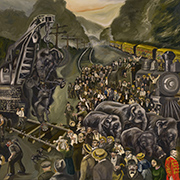
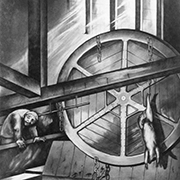
If Jumbo was tenderly anthropomorphized by Barnum and the public, people were far less sympathetic toward circus elephants that killed their keepers. One such elephant was Mary, who in 1916 fatally trampled an inexperienced trainer before a group of horrified onlookers in rural Tennessee. The crowd demanded--and got--a formal execution. Mary was arrested, tethered outside the local jail and then hung from an industrial derrick before an audience of 2,500 humans (including children). On the first try, the derrick's chain snapped, because the executioners had failed to release the shackles binding Mary's ankles. The five-ton creature came crashing down, shattering her hip. The shackles were then released, and the severely injured animal was successfully hoisted into the air; she died within minutes. Whether condemned or idealized, elephants were expected to adhere to the standards of a human society as foreign to them as elephant society is to us.
Perhaps the most famous "killer elephant" to be put to death was Topsy, who was electrocuted in 1903 in a bizarre publicity stunt on behalf of Thomas Edison. Topsy was an elephant in the Forepaugh Circus who killed a drunk for tormenting her with a lit cigarette and was subsequently sold to Luna Park at Coney Island. When Topsy became unruly there, the owners decided it was time to exterminate her. Edison, who held the patent on direct current, wanted to prove that alternating current was more dangerous. To do so, he had already electrocuted many stray dogs and cats. But using alternating current to execute a dangerous elephant promised to provide a far more convincing validation of Edison's position. (He called the process "getting Westinghoused," since George Westinghouse held the competing AC patent.) To ensure the success of Edison's demonstration, Topsy was fed a bunch of cyanide-laced carrots prior to being hooked up to the electrodes. A crowd of 1,500 paid 10¢ apiece to witness the sorry spectacle. Edison ultimately lost the "war of the currents": AC (which in truth is no more dangerous than DC) became the norm throughout most of the world. However, Topsy's bit part in this saga is emblematic of the way in which the quest for profits and dominance abrogates the rights of the powerless, human and non-human alike.
Sue Coe discovered Topsy after a trip to Sri Lanka in 1998 sparked an interest in elephants. Coe, part of a volunteer mission to study wild monkeys, one day snuck away from her group to visit a herd of rescued elephants. She was awed not just by the animals' majesty, but by the way they seemed to exist in their own world. While neither she nor the elephants were afraid of one another, they were mutually respectful of their separate spaces. Returning to the U.S., Coe was struck by the contrast between zoo elephants and those she had seen in the wild. In zoos no less than in circuses, elephants bear the psychological scars of captivity, pacing and swaying in frustration at being denied their freedom. Coe began to research elephants, but she was also driven to recapture the experience of standing among the Sri Lankan herd. There was something beyond ideas or ideology that she hoped to express in her paintings.
In many ways, Coe's Topsy series, and the paintings and drawings of other elephants that followed, represent a turning point in her lengthy artistic career. Having for years earned a living as an illustrator for such publications as The New York Times, Time and The New Yorker, Coe was accustomed to marrying images with narrative content. The political concerns that inspired her independent work fostered a similarly illustrative approach. Color was used sparingly, if at all, in her art. She was a brilliant draughtsman, but rarely painted. Black-and-white was not only suited to reproduction in newspapers (in the days before color printing became ubiquitous) but was central to the European tradition of political art. Like such predecessors as Honoré Daumier, Max Klinger, Käthe Kollwitz, Otto Dix and George Grosz, Coe believed that color was frivolous and decorative, diluting meaningful content.
Coe began to rethink her prejudice against color after seeing at first hand the work of the muralists Diego Rivera and José Clemente Orozco on a 2007 trip to Mexico City. Unlike Europeans, the Mexicans saw no conflict between color and social content; on the contrary, they used color skillfully to heighten the impact of their messages. Coe was also impressed by the scale of Rivera's and Orozco's work, a monumental affect impossible to achieve with drawing. Drawings can only grow so large before they begin to flatten out and fall apart visually. As Coe puts it, "To get lost in a scene, you need the depth of painting." Whereas viewers tend to "read" drawings like calligraphy, paintings produce a more visceral emotional impact. In the elephant works, Coe not only employs painting more consistently than ever before, she also allows color to play a far more central role in her process. Though the paintings are still comparatively muted, they are very varied in tone. Essentially, Coe uses two distinct palettes: bright and cheery colors represent the fantasy of the circus, and musty brownish-black hues evoke the reality of the elephant's urban-industrial surroundings.
Another pivotal influence on Coe's recent work was her move, in 2001, from Manhattan to Upstate New York. Abandoning the hard edges and human constructions of the city for rural surroundings changed her entire perspective. "Trees and landscape and stars and weather had their own identity," she recalls. "Lightening bugs and shooting stars merged into this roar of a different life, colors changed every few seconds. I became a different person." Coe gradually became part of the local community. One of her neighbors built her a studio; another sold her old windows at cost. People routinely stopped by to check on the progress of her work, sharing their reactions, suggesting and bringing props, volunteering to pose. Coe was aware for the first time not only of her own need to bear witness, but of being witnessed by others, of being part of the larger world to which she was responding and which was, in turn, responding to her. Her approach grew more holistic. She stopped accepting commercial illustration assignments and, freed from the narrow confines of a Manhattan apartment, was able to comfortably work on bigger scale.
Living in such close contact with nature also made Coe's previous preoccupation with animals and the environment far more real. As an artist, she had never been content merely to deliver a didactic political message; her goal was to share with others her personal emotional reactions. Increasingly, she came to recognize that this was an open-ended process, the success of which depended less on what was said overtly than on what was left unsaid. Mystery and ambiguity lie at the heart of all great art. It is not, in the end, what we know about the elephants that gives Coe's latest paintings their haunting power, but what we can never know about these grand but alien creatures. Nonetheless, the paintings reflect Coe's belief that we humans have a community of interest with the elephants and that we and they share a common fate. Indeed, our very survival as a species may depend on recognizing our interconnectedness with all living beings, and abandoning our attempts to coerce nature into compliance with our whims.
Copies of Blab! No. 18, containing Sue Coe's series "An Elephant Never Forgets," may be purchased from the gallery for $23.00, plus $8.00 postage and handling, New York residents please add sales tax. Checklist entries list image dimensions for the prints and full dimensions for all other works.