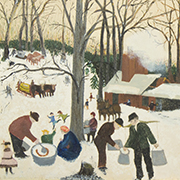

The Ins and Outs of Self-Taught Art
Reflections on a Shifting Field
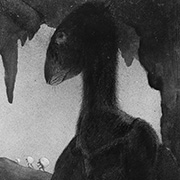
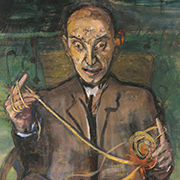
January 10, 2012 - April 7, 2012
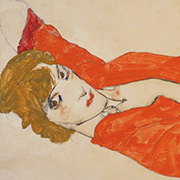
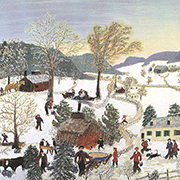
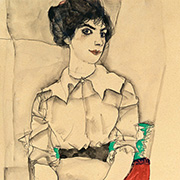
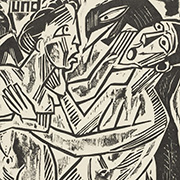
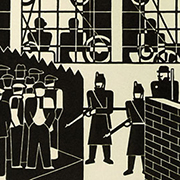
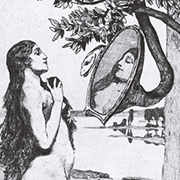
The Lady and the Tramp
Images of Women in Austrian and German Art
October 11, 2011 - December 30, 2011
Recent Acquisitions
(And Some Thoughts on the Current Art Market)
July 5, 2011 - September 30, 2011
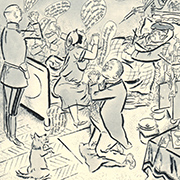
Decadence & Decay
Max Beckmann, Otto Dix, George Grosz
April 12, 2011 - June 24, 2011
Self-Taught Painters in American 1800-1950
Revisiting the Tradition
January 11, 2011 - April 2, 2011
Marie-Louise Motesiczky
Paradise Lost & Found
October 12, 2010 - December 30, 2010
Recent Acquisitions
(And Some Thoughts on the Current Art Market)
July 13, 2010 - October 1, 2010
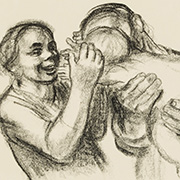
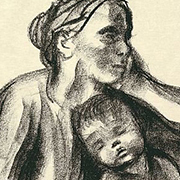
Käthe Kollwitz
A Portrait of the Artist
April 13, 2010 - June 25, 2010
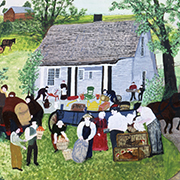
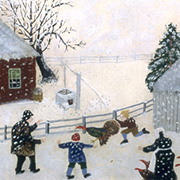
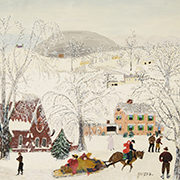
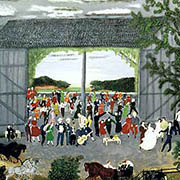
Seventy Years Grandma Moses
A Loan Exhibition Celebrating the 70th Anniversary of the Artist's "Discovery"
February 3, 2010 - April 3, 2010
Egon Schiele as Printmaker
A Loan Exhibition Celebrating the 70th Anniversary of the Galerie St. Etienne
November 3, 2009 - January 23, 2010
From Brücke To Bauhaus
The Meanings of Modernity in Germany, 1905-1933
March 31, 2009 - June 26, 2009
They Taught Themselves
American Self-Taught Painters Between the World Wars
January 9, 2009 - March 14, 2009
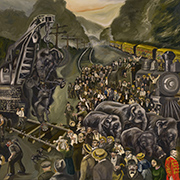
Elephants We Must Never Forget
New Paintings Drawings and Prints by Sue Coe
October 14, 2008 - December 20, 2008
Recent Acquisitions
(And Some Thoughts on the Current Art Market)
June 24, 2008 - September 26, 2008
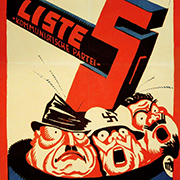
Hope or Menace?
Communism in Germany Between the World Wars
March 25, 2008 - June 13, 2008
Transforming Reality
Pattern and Design in Modern and Self-Taught Art
January 15, 2008 - March 8, 2008
Leonard Baskin
Proofs and Process
October 9, 2007 - January 5, 2008
Recent Acquisitions
(And Some Thoughts on the Current Art Market)
June 5, 2007 - September 28, 2007
Who Paid the Piper?
The Art of Patronage in Fin-de-Siècle Vienna
March 8, 2007 - May 26, 2007
Fairy Tale, Myth and Fantasy
Approaches to Spirituality in Art
December 7, 2006 - February 3, 2007
More Than Coffee was Served
Café Culture in Fin-de-Siècle Vienna and Weimar Germany
September 19, 2006 - November 25, 2006
Recent Acquisitions
(And Some Thoughts on the Current Art Market)
June 6, 2006 - September 8, 2006
Parallel Visions II
"Outsider" and "Insider" Art Today
April 5, 2006 - May 26, 2006
Ilija!
His First American Exhibtion
January 17, 2006 - March 18, 2006
Coming of Age
Egon Schiele and the Modernist Culture of Youth
November 15, 2005 - January 7, 2006
Sue Coe:
Sheep of Fools
September 20, 2005 - November 5, 2005
Recent Acquisitions
And Some Thoughts on the Current Art Market
June 7, 2005 - September 9, 2005
Every Picture Tells a Story
The Narrative Impulse in Modern and Contemporary Art
April 5, 2005 - May 27, 2005
65th Anniversary Exhibition, Part II
Self-Taught Artists
January 18, 2005 - March 26, 2005
65th Anniversary Exhibition, Part I
Austrian and German Expressionism
October 28, 2004 - January 8, 2005
Sue Coe: Bully: Master of the Global Merry-Go-Round and Recent Acquisitions
(And Some Thoughts on the Current Art Market)
June 8, 2004 - October 16, 2004
Animals & Us
The Animal in Contemporary Art
April 1, 2004 - May 22, 2004
Henry Darger
Art and Myth
January 15, 2004 - March 20, 2004
Body and Soul
Expressionism and the Human Figure
October 7, 2003 - January 3, 2004
Recent Acquisitions
(And Some Thoughts on the Current Art Market)
June 24, 2003 - September 12, 2003
In Search of the "Total Artwork"
Viennese Art and Design 1897–1932
April 8, 2003 - June 14, 2003
Russia's Self-Taught Artists
A New Perspective on the "Outsider"
January 14, 2003 - March 29, 2003
Käthe Kollwitz:
Master Printmaker
October 1, 2002 - January 4, 2003
Recent Acquisitions
(And Some Thoughts on the Current Art Market)
June 25, 2002 - September 20, 2002
Workers of the World
Modern Images of Labor
April 2, 2002 - June 15, 2002
Grandma Moses
Reflections of America
January 15, 2002 - March 16, 2002
Gustav Klimt/Egon Schiele/Oskar Kokoscha
From Art Nouveau to Expressionism
November 23, 2001 - January 5, 2002
The "Black-and-White" Show
Expressionist Graphics in Austria & Germany
September 20, 2001 - November 10, 2001
Recent Acquisitions (And Some Thoughts on the Current Art Market)
June 26, 2001 - September 7, 2001
Art with an Agenda
Politics, Persuasion, Illustration and Decoration
April 10, 2001 - June 16, 2001
"Our Beautiful and Tormented Austria!": Art Brut in the Land of Freud
January 18, 2001 - March 17, 2001
The Tragedy of War
November 16, 2000 - January 6, 2001
The Expressionist City
September 19, 2000 - November 4, 2000
Recent Acquisitions (And Some Thoughts on the Current Art Market)
June 20, 2000 - September 8, 2000
From Façade to Psyche
Turn-of-the-Century Portraiture in Austria & Germany
March 28, 2000 - June 10, 2000
European Self-Taught Art
Brut or Naive?
January 18, 2000 - March 11, 2000
Saved From Europe
In Commemoration of the 60th Anniversary of the Galerie St. Etienne
November 6, 1999 - January 8, 2000
The Modern Child
(Images of Children in Twentieth-Century Art)
September 14, 1999 - November 6, 1999
Recent Acquisitions
(And a Look at Sixty Years of Art Dealing)
June 15, 1999 - September 3, 1999
Sue Coe: The Pit
The Tragical Tale of the Rise and Fall of a Vivisector
March 30, 1999 - June 5, 1999
Henry Darger and His Realms
January 14, 1999 - March 13, 1999
Becoming Käthe Kollwitz
An Artist and Her Influences
November 17, 1998 - December 31, 1998
George Grosz - Elfriede Lohse-Wächtler
Art & Gender in Weimar Germany
September 23, 1998 - November 11, 1998
Recent Acquisitions
(And Some Thoughts About Looted Art)
June 9, 1998 - September 11, 1998
Taboo
Repression and Revolt in Modern Art
March 26, 1998 - May 30, 1998
Sacred & Profane
Michel Nedjar and Expressionist Primitivism
January 13, 1998 - March 14, 1998
Egon Schiele (1890-1918)
Master Draughtsman
November 18, 1997 - January 3, 1998
The New Objectivity
Realism in Weimar-Era Germany
September 16, 1997 - November 8, 1997
Recent Acquisitions
A Question of Quality
June 10, 1997 - September 5, 1997
Käthe Kollwitz - Lea Grundig
Two German Women & The Art of Protest
March 25, 1997 - May 31, 1997
That Way Madness Lies
Expressionism and the Art of Gugging
January 14, 1997 - March 15, 1997
The Viennese Line
Art and Design Circa 1900
November 18, 1996 - January 4, 1997
Emil Nolde - Christian Rohlfs
Two German Expressionist Masters
September 24, 1996 - November 9, 1996
Breaking All The Rules
Art in Transition
June 11, 1996 - September 6, 1996
Sue Coe's Ship of Fools
March 26, 1996 - May 24, 1996
New York Folk
Lawrence Lebduska, Abraham Levin, Isreal Litwak
January 16, 1996 - March 16, 1996
The Fractured Form
Expressionism and the Human Body
November 15, 1995 - January 6, 1996
From Left to Right
Social Realism in Germany and Russia, Circa 1919-1933
September 19, 1995 - November 4, 1995
Recent Acquisitions
June 20, 1995 - September 8, 1995
On the Brink 1900-2000
The Turning of Two Centuries
March 28, 1995 - May 26, 1995
Earl Cummingham - Grandma Moses
Visions of America
January 17, 1995 - March 18, 1995
Three Berlin Artists of the Weimar Era: Hannah Höch, Käthe Kollwitz, Jeanne Mam
September 13, 1994 - November 5, 1994
55th Anniversary Exhibition in Memory of Otto Kallir
June 7, 1994 - September 2, 1994
Drawn to Text: Comix Artists as Book Illustrators
May 15, 1994 - January 7, 1995
Sue Coe: We All Fall Down
March 29, 1994 - May 27, 1994
The Forgotten Folk Art of the 1940's
January 18, 1994 - March 19, 1994
Symbolism and the Austrian Avant Garde
Klimt, Schiele and their Contemporaries
November 16, 1993 - January 8, 1994
Art and Politics in Weimar Germany
September 14, 1993 - November 6, 1993
Recent Acquisitions
June 8, 1993 - September 3, 1993
The "Outsider" Question
Non-Academic Art from 1900 to the Present
March 23, 1993 - May 28, 1993
The Dance of Death
Images of Mortality in German Art
January 19, 1993 - March 13, 1993
Art Spiegelman
The Road to Maus
November 17, 1992 - January 9, 1993
Käthe Kollwitz
In Celebration of the 125th Anniversary of the Artist's Birth
September 15, 1992 - November 7, 1992
Naive Visions/Art Nouveau and Expressionism/Sue Coe: The Road to the White House
May 19, 1992 - September 4, 1992
Richard Gerstl/Oskar Kokoschka
March 17, 1992 - May 9, 1992
Scandal, Outrage, Censorship
Controversy in Modern Art
January 21, 1992 - March 7, 1992
Viennese Graphic Design
From Secession to Expressionism
November 19, 1991 - January 11, 1992
The Expressionist Figure
September 10, 1991 - November 9, 1991
Recent Acquisitions
Themes and Variations
May 14, 1991 - August 16, 1991
Sue Coe Retrospective
Political Document of a Decade
March 12, 1991 - May 5, 1991
Gustav Klimt, Egon Schiele, Oskar Kokoschka
Watercolors, drawings and prints
January 22, 1991 - March 2, 1991
Egon Schiele
November 13, 1990 - January 12, 1991
Lovis Corinth
A Retrospective
September 11, 1990 - November 3, 1990
Recent Acquisitions
June 12, 1990 - August 31, 1990
Max Klinger, Käthe Kollwitz, Alfred Kubin
A Study in Influences
March 27, 1990 - June 2, 1990
The Narrative in Art
January 23, 1990 - March 17, 1990
Grandma Moses
November 14, 1989 - January 13, 1990
Sue Coe
Porkopolis--Animals and Industry
September 19, 1989 - November 4, 1989
Galerie St. Etienne
A History in Documents and Pictures
June 20, 1989 - September 8, 1989
Gustav Klimt
Paintings and Drawings
April 11, 1989 - June 10, 1989
Fifty Years Galerie St. Etienne: An Overview
February 14, 1989 - April 1, 1989
Folk Artists at Work
Morris Hirshfield, John Kane and Grandma Moses
November 15, 1988 - January 14, 1989
Recent Acquisitions and Works From the Collection
June 14, 1988 - September 16, 1988
From Art Nouveau to Expressionism
April 12, 1988 - May 27, 1988
Three Pre-Expressionists
Lovis Corinth Käthe Kollwitz Paula Modersohn-Becker
January 26, 1988 - March 12, 1988
Käthe Kollwitz
The Power of the Print
November 17, 1987 - January 16, 1988
Recent Acquisitions and Works From the Collection
April 7, 1987 - October 31, 1987
Folk Art of This Century
February 10, 1987 - March 28, 1987
Oskar Kokoschka and His Time
November 25, 1986 - January 31, 1987
Viennese Design and Wiener Werkstätte
September 23, 1986 - November 8, 1986
Gustav Klimt/Egon Schiele/Oskar Kokoschka
Watercolors, Drawings and Prints
May 27, 1986 - September 13, 1986
Expressionist Painters
March 25, 1986 - May 10, 1986
Käthe Kollwitz/Paula Modersohn-Becker
January 28, 1986 - March 15, 1986
The Art of Giving
December 3, 1985 - January 18, 1986
Expressionists on Paper
October 8, 1985 - November 23, 1985
European and American Landscapes
June 4, 1985 - September 13, 1985
Expressionist Printmaking
Aspects of its Genesis and Development
April 1, 1985 - May 24, 1985
Expressionist Masters
January 18, 1985 - March 23, 1985
Arnold Schoenberg's Vienna
November 13, 1984 - January 5, 1985
Grandma Moses and Selected Folk Paintings
September 25, 1984 - November 3, 1984
American Folk Art
People, Places and Things
June 12, 1984 - September 14, 1984
John Kane
Modern America's First Folk Painter
April 17, 1984 - May 25, 1984
Eugène Mihaesco
The Illustrator as Artist
February 28, 1984 - April 7, 1984
Early Expressionist Masters
January 17, 1984 - February 18, 1984
Paula Modersohn-Becker
Germany's Pioneer Modernist
November 15, 1983 - January 7, 1984
Gustav Klimt
Drawings and Selected Paintings
September 20, 1983 - November 5, 1983
Early and Late
Drawings, Paintings & Prints from Academicism to Expressionism
June 1, 1983 - September 2, 1983
Alfred Kubin
Visions From The Other Side
March 22, 1983 - May 7, 1983
20th Century Folk
The First Generation
January 18, 1983 - March 12, 1983
Grandma Moses
The Artist Behind the Myth
November 15, 1982 - January 8, 1983
Kollwitz
The Artist as Printmaker
September 28, 1982 - November 6, 1982
Aspects of Modernism
June 1, 1982 - September 3, 1982
The Human Perspective
Recent Acquisitions
March 16, 1982 - May 15, 1982
19th and 20th Century European and American Folk Art
January 19, 1982 - March 6, 1982
The Folk Art Tradition
Naïve Painting in Europe and the United States
November 17, 1981 - January 9, 1982
Austria's Expressionism
April 21, 1981 - May 30, 1981
Eugène Mihaesco
His First American One-Man Show
March 3, 1981 - April 11, 1981
Gustav Klimt, Egon Schiele
November 12, 1980 - December 27, 1980
Summer Exhibition
June 17, 1980 - October 31, 1980
Kollwitz: The Drawing and The Print
May 1, 1980 - June 10, 1980
40th Anniversary Exhibition
November 13, 1979 - December 28, 1979
American Primitive Art
November 22, 1977
Käthe Kollwitz
December 1, 1976
Neue Galerie-Galerie St. Etienne
A Documentary Exhibition
May 1, 1976
Martin Pajeck
January 27, 1976
Georges Rouault and Frans Masereel
April 29, 1972
Branko Paradis
December 1, 1971
Käthe Kollwitz
February 3, 1971
Egon Schiele
The Graphic Work
October 19, 1970
Gustav Klimt
March 20, 1970
Friedrich Hundertwasser
May 6, 1969
Austrian Art of the 20th Century
March 21, 1969
Egon Schiele
Memorial Exhibition
October 31, 1968
Yugoslav Primitive Art
April 30, 1968
Alfred Kubin
January 30, 1968
Käthe Kollwitz
In the Cause of Humanity
October 23, 1967
Abraham Levin
September 26, 1967
Karl Stark
April 5, 1967
Gustav Klimt
February 4, 1967
The Wiener Werkstätte
November 16, 1966
Oskar Laske
October 25, 1965
Käthe Kollwitz
May 1, 1965
Egon Schiele
Watercolors and Drawings from American Collections
March 1, 1965
25th Anniversary Exhibition
Part II
November 21, 1964
25th Anniversary Exhibition
Part I
October 17, 1964
Mary Urban
June 9, 1964
Werner Berg, Jane Muus and Mura Dehn
May 5, 1964
Eugen Spiro
April 4, 1964
B. F. Dolbin
Drawings of an Epoch
March 3, 1964
Austrian Expressionists
January 6, 1964
Joseph Rifesser
December 3, 1963
Panorama of Yugoslav Primitive Art
October 21, 1963
Joe Henry
Watercolors of Vermont
May 1, 1963
French Impressionists
March 8, 1963
Grandma Moses
Memorial Exhibition
November 26, 1962
Group Show
October 15, 1962
Ernst Barlach
March 23, 1962
Martin Pajeck
February 24, 1962
Paintings by Expressionists
January 27, 1962
Käthe Kollwitz
November 11, 1961
Grandma Moses
September 7, 1961
My Friends
Fourth Biennial of Pictures by American School Children
May 27, 1961
Raimonds Staprans
April 17, 1961
Gustav Klimt, Egon Schiele, Oskar Kokoschka and Alfred Kubin
March 14, 1961
Marvin Meisels
January 23, 1961
Egon Schiele
November 15, 1960
My Life's History
Paintings by Grandma Moses
September 12, 1960
Watercolors and Drawings by Austrian Artists from the Dial Collection
May 2, 1960
Martin Pajeck
February 29, 1960
Eugen Spiro
February 6, 1960
Käthe Kollwitz
December 14, 1959
Josef Scharl
Last Paintings and Drawings
November 11, 1959
European and American Expressionists
September 22, 1959
Our Town
One Hundred Paintings by American School Children
May 23, 1959
Marvin Meisels and Martin Pajeck
May 1, 1959
Gustav Klimt
April 1, 1959
Käthe Kollwitz
January 12, 1959
Oskar Kokoschka
October 28, 1958
Village Life in Guatemala
Paintings by Andres Curuchich
June 3, 1958
Two Unknown American Expressionists
Paintings by Marvin Meisels and Martin Pajeck
April 28, 1958
Paula Modersohn-Becker
March 15, 1958
The Great Tradition in American Painting
American Primitive Art
January 20, 1958
Jules Lefranc and Dominique Lagru
Two French Primitives
November 18, 1957
Margret Bilger
October 22, 1957
The Four Seasons
One Hundred Paintings by American School Children
June 11, 1957
Grandma Moses
May 6, 1957
Alfred Kubin
April 3, 1957
Franz Lerch
March 2, 1957
Egon Schiele
January 21, 1957
Josef Scharl
Memorial Exhibition
November 17, 1956
Irma Rothstein
May 19, 1956
Käthe Kollwitz
April 16, 1956
A Tribute to Grandma Moses
November 28, 1955
As I See Myself
One Hundred Paintings by American School Children
May 20, 1955
Juan De'Prey
April 19, 1955
Erich Heckel
March 29, 1955
Freddy Homburger
March 2, 1955
Masters of the 19th Century
January 18, 1955
Oskar Kokoschka
November 29, 1954
Isabel Case Borgatta and Josef Scharl
October 12, 1954
James N. Rosenberg and Eugen Spiro
April 30, 1954
Per Krogh
April 2, 1954
Cuno Amiet
February 16, 1954
Eniar Jolin
January 14, 1954
Irma Rothstein
December 8, 1953
Josef Scharl
November 11, 1953
Grandma Moses
October 21, 1953 - October 24, 1953
Wilhelm Kaufmann
September 30, 1953
Lovis Corinth, Oskar Kokoschka and Egon Schiele
May 27, 1953
A Grandma Moses Album
Recent Paintings, 1950-1953
April 15, 1953
Streeter Blair
American Primitive
February 26, 1953
Paintings on Glass
Austrian Religious Folk Art of the 17th to 19th Centuries
December 4, 1952
Hasan Kaptan
Paintings of a Ten-Year-Old Turkish Painter
October 29, 1952
Margret Bilger
May 10, 1952
American Natural Painters
March 31, 1952
Ten Years of New York Concert Impressions by Eugen Spiro; Four New Paintings by
January 26, 1952
I-Fa-Wei
Watercolors of New York by a Chinese Artist
December 1, 1951
Käthe Kollwitz
October 25, 1951
Drawings and Watercolors by Austrian Children
May 21, 1951
Grandma Moses
Twenty-Five Masterpieces of Primitive Art
March 17, 1951
Roswitha Bitterlich
January 18, 1951
Oskar Laske
Watercolors of Vienna and the Salzkammergut
October 14, 1950
Tenth Anniversary Exhibition
Part II
May 11, 1950
Austrian Art of the 19th Century
From Wadlmüller to Klimt
April 1, 1950
Chiao Ssu-Tu
February 18, 1950
Anton Faistauer
January 1, 1950
Tenth Anniversary Exhibition
Part I
November 30, 1949
Autograph Exhibition
October 26, 1949
Gladys Wertheim Bachrach
May 24, 1949
Oskar Kokoschka
March 30, 1949
Eugen Spiro
February 19, 1949
Frans Masereel
January 13, 1949
Ten Years Grandma Moses
November 22, 1948
Käthe Kollwitz
Masterworks
October 18, 1948
American Primitives
June 3, 1948
Egon Schiele
Memorial Exhibition
April 5, 1948
Miriam Richman
February 7, 1948
Vally Wieselthier
Memorial Exhibition
January 10, 1948
Christmas Exhibition
December 4, 1947
Fritz von Unruh
November 10, 1947
Käthe Kollwitz
October 4, 1947
Grandma Moses
May 17, 1947
Lovis Corinth
April 16, 1947
Hugo Steiner-Prag
March 15, 1947
Mark Baum
January 11, 1947
Eugen Spiro
November 25, 1946
Henri de Toulouse-Lautrec
May 17, 1946
Ladis W. Sabo
Paintings by a New Primitive Artist
April 8, 1946
Georges Rouault
The Graphic Work
February 26, 1946
Käthe Kollwitz
Memorial Exhibition
November 21, 1945
Fred E. Robertson
Paintings by an American Primitive
June 13, 1945
Max Liebermann
The Graphic Work
April 18, 1945
Vienna through Four Centuries
March 1, 1945
Eugen Spiro
January 20, 1945
Grandma Moses
New Paintings
December 5, 1944
Käthe Kollwitz
Part II
October 26, 1944
A Century of French Graphic Art
From Géricault to Picasso
September 28, 1944
Max Liebermann
Memorial Exhibition
June 9, 1944
Juan De'Prey
Paintings by a Self-Taught Artist from Puerto Rico
May 6, 1944
Abraham Levin
April 15, 1944
Lesser Ury
Memorial Exhibition
March 21, 1944
Grandma Moses
Paintings by the Senior of the American Primitives
February 9, 1944
Betty Lane
January 11, 1944
WaIt Disney Cavalcade
December 9, 1943
Käthe Kollwitz
Part I
November 3, 1943
Will Barnet
September 29, 1943
Lovis Corinth
May 26, 1943
Josephine Joy
Paintings by an American Primitive
May 3, 1943
Oskar Kokoschka
Aspects of His Art
March 31, 1943
Eugen Spiro
February 13, 1943
Seymour Lipton
January 18, 1943
Illuminated Gothic Woodcuts
Printed and Painted, 1477-1493
December 5, 1942
Abraham Levin
November 4, 1942
Walt Disney Originals
September 23, 1942
Documents which Relate History
Documents of Historical Importance and Landmarks of Human Development
June 10, 1942
Honoré Daumier
April 29, 1942
Bertha Trabich
Memorial Exhibition of a Russian-American Primitive
March 25, 1942
Alfred Kubin
Master of Drawing
December 4, 1941
Egon Schiele
November 7, 1941
Betty Lane
June 3, 1941
Flowers from Old Vienna
18th and Early 19th Century Flower Painting
May 7, 1941
Weavings by Navaho and Hopi Indians and Photos of Indians by Helen M. Post
January 29, 1941
Georg Merkel
November 7, 1940
What a Farm Wife Painted
Works by Mrs. Anna Mary Moses
October 9, 1940
Saved from Europe
Masterpieces of European Art
July 1, 1940
American Abstract Art
May 22, 1940
Franz Lerch
May 1, 1940
Wilhelm Thöny
April 3, 1940
French Masters of the 19th and 20th Centuries
February 29, 1940
H. W. Hannau
Metropolis, Photographic Studies of New York
February 2, 1940
Oskar Kokoschka
January 9, 1940
Austrian Masters
November 13, 1939
65TH ANNIVERSARY EXHIBITION, PART II
Self-Taught Artists
Basicevic, Ilija Bosilj
Bauchant, André
Bombois, Camille
Corbaz, Aloïse
Crepin, Joseph
Darger, Henry
Evans, Minnie
Fischer, Johann
Garber, Johann
Gill, Madge
Hauser, Johann
Hicks, Edward
Hirshfield, Morris
Kane, John
Kernbeis, Franz
Lesage, Augustin
Milton, S.F.
Moses, Anna Mary Robertson ("Grandma")
Nedjar, Michel
Nikifor
Phillips, Ammi
Pickett, Joseph
Prior-Hamblen School
Rädler, Josef Karl
Ramirez, Martin
Reisenbauer, Heinrich
Schröder-Sonnenstern, F.
Traylor, Bill
Tschirtner, Oswald
Vivin, Louis
Walla, August
Wilson, Scottie
Wölfli, Adolf
Zinelli, Carlo
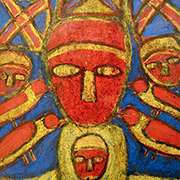
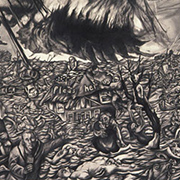
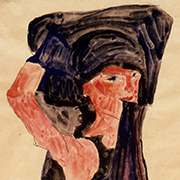
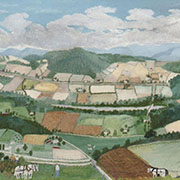
The Galerie St. Etienne, presently celebrating its 65th anniversary, may well be the oldest gallery in the world specializing in the work of self-taught artists. Like many early proponents of modernism, Otto Kallir, the gallery’s founder, was interested in art produced outside the confines of academia. He emigrated to the United States from his native Austria in 1939 predisposed to appreciate America’s endemic traditions of non-academic art. In fact, he found this work more vital and original than much of the relatively derivative contemporary art that then dominated the Manhattan gallery scene. Kallir is best known for discovering Anna Mary Robertson (“Grandma”) Moses, who had her first one-woman show at the Galerie St. Etienne in 1940. However, he actively promoted a broad range of non-academic material, including Native American work from the Southwest and nineteenth-century folk paintings. Since Kallir’s death in 1978, the Galerie St. Etienne has both continued and expanded upon its involvement with self-taught art. To the estate of Grandma Moses, the gallery added representation of the estate of John Kane in 1984, and of Henry Darger in 1999. Within the evolving realm of Outsider Art, the gallery has focused on Europeans such as Ilija Bosilj, Michel Nedjar, Josef Karl Rädler and the artists of Gugging. Given the scope of its endeavors, St. Etienne’s current anniversary presents an ideal opportunity to examine the history of self-taught art over the last 65 years.
From the outset, it must be noted that the history of self-taught art differs markedly from the history of the field of self-taught art. The urge to create is universal; humans have always made art, and will continue to do so, regardless of whether they receive formal training. However, in both Europe and the U.S., unschooled creative efforts were considered of little interest or merit prior to the twentieth century. Modernism changed all this by privileging the “other” as a repository of values allegedly untainted by the stultifying influence of bourgeois civilization. Into this catchall category of the “other,” pioneer modernists such as Pablo Picasso and Wassily Kandinsky threw a host of non-academic and/or non-Western creations, including African tribal sculptures, children’s drawings, folk icons and Japanese woodcuts. However, the art of untrained adult contemporaries came to occupy a special, lasting place as an adjunct to the modernist enterprise. Unlike the products of other “schools” of modernism--say Cubism or Abstract Expressionism--self-taught artworks are not bound by a single identifiable style. Self-taught art is a category defined in the negative: not by what the artists are, but by what they lack. Modernists created the field of self-taught art by grouping together a hodgepodge of works that had little in common.
The course of art history is directed by the interactions of numerous figures, including artists, dealers, collectors, critics, curators, teachers and art historians. In the mainstream art world, artists play a key role in shaping the dialogue that occurs among these disparate players: artists consciously follow the dialogue, respond to it and, through their responses, move the conversation forward. Self-taught artists, by way of contrast, are by definition barred from participating actively in the art-world dialogue. Notwithstanding the current prevalence of the term “self-taught,” such artists are in practice distinguished less by whether or not they went to art school than by an inability to follow the mainstream conversation. Thus an essentially self-taught artist like Vincent van Gogh is admitted without question to the modernist canon, while Achilles Rizzoli, despite his architectural training, is considered an “outsider” master. The field of self-taught or “outsider” art (as distinct from the art itself) has been shaped largely by players other than the makers of the art (though the active participants have often included trained artists). It is therefore no surprise that the field of self-taught art is more geared to meeting the needs of the art-world insiders who serve as its gatekeepers, than it is to the imperatives of the actual artists and their art.
Four significant signposts mark the entrance of the self-taught sensibility into modernist consciousness: the inclusion of Henri Rousseau, together with the “Fauves” Matisse, Derain, Braque, Rouault and Dufy, in the 1905 Salon d’Automne; Rousseau’s inclusion again, this time accompanied by illustrations of Bavarian folk paintings, “primitive” carvings and Egyptian shadow puppets, in the 1912 Blaue Reiter Almanac; Walter Morgenthaler’s 1921 monograph on the schizophrenic genius Adolf Wölfli; and the publication in 1922 of Hans Prinzhorn’s Artistry of the Mentally Ill. Kandinsky, leader of the Blaue Reiter group and one of the most eloquent theorists of early modernism, clearly articulated the lessons he and his colleagues hoped to learn from Rousseau and other non-academic creators. Academically schooled artists, Kandinsky declared, produce work that is technically proficient but spiritually dead; they have lost the ability to hear and thereby capture the ”inner resonance” of their subjects. This attack on the Academy contained an embedded political subtext. Elevating the creations of the uneducated classes and supposedly inferior non-European cultures was an implicit challenge to the prevailing social order. The modernists believed that this order was dying, and therefore they looked outside its boundaries in their attempts to fashion a meaningful formal language. Morgenthaler’s and Prinzhorn’s work with mental patients enabled the modernists to extend their search for new forms further, into the realm of the unconscious.
By the 1920s, modernism was beginning to gain broader acceptance among dealers, critics, collectors and curators, and this phenomenon brought with it a growing appreciation of self-taught art. Wilhelm Uhde, a German art historian and dealer working in Paris, hunted about for artists similar to Rousseau and came up with a group he dubbed the “Painters of the Sacred Heart” (André Bauchant, Camille Bombois, Séraphine Louis and Louis Vivin). Uhde’s writings and indeed the very name of his group reflect the romanticizing spin that came to attend self-taught art as it entered the marketplace. These creators were assumed to be somehow purer and more innocent than ordinary people. Apparent accolades such as “naïve” and “primitive” (then the terms of choice for the genre) were actually patronizing and demeaning. The emphasis had shifted subtly from the work itself to the artists’ personalities. Hereafter, judgments about self-taught art would often be tainted by an untenable element of subjectivity: for how, after all, does one tell if an artist truly possesses a “sacred heart”?
The advent of modernism in America likewise sparked interest in self-taught art. However, from the outset American self-taught art and its partisans were slightly different from their European counterparts. For one thing, America never had art academies until the late nineteenth century, so prior to that time direct contact with elite European aesthetic traditions was maintained chiefly by the tiny minority of connoisseurs and artists who could afford to travel back and forth. Consequently, many professional American painters were self-taught or, at best, semi-taught. Itinerant portrait painters such as the Prior-Hamblen family traveled the roads of New England painting stylized likenesses that combined speed of execution with formal ingenuity. Some of these so-called limners, such as Ammi Phillips, developed remarkably complex pictorial skills. Rarely, one finds an artist like the Quaker minister Edward Hicks, whose highly sophisticated religious iconography was matched by extensive technical ability. Before the twentieth century, American self-taught painters served the needs of a largely rural population for imagery reflecting their world. Yet to the extent that these artists aped, yet could not master, academic representationalism, theirs were considered botched efforts by those who knew better. Self-taught art carried the burden of America’s subliminal inferiority complex, confirming fears that we were less cultured than our European forebears and contemporaries.
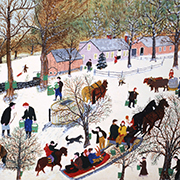
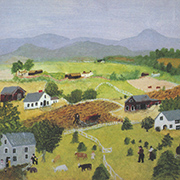
In the late nineteenth century, industrialization led to an increase in leisure time and the broader dissemination of imagery through photography and lithography. These developments simultaneously killed off the market for professional limner portraits and encouraged the proliferation of amateur painters. Early surveys of American self-taught art, such as Holger Cahill’s pioneering 1930 exhibition at the Newark Museum, concentrated on paintings from the pre-industrial period, which were seen to form a continuum with more traditional folk objects, such as quilts, pottery, samplers and duck decoys. However, contemporary artists and curators familiar with recent developments in Europe were looking for “an American Rousseau,” and they found their man in the person of Pittsburgh house painter John Kane. Kane, admitted to the prestigious Carnegie International Exhibition in 1927, became the first living American self-taught painter to be recognized by the art establishment. No less a personage than Alfred Barr, founding director of the Museum of Modern Art, declared self-taught art to be one of the three principal strands of modernism, together with abstraction and Surrealism. During its first decade, MoMA held two seminal presentations on the subject: The Art of the Common Man, in 1932, focused on pre-modern work, while Masters of Popular Painting, in 1938, covered contemporary material. By 1942, when MoMA board-member Sidney Janis published his book They Taught Themselves, he was able to count thirty recent “discoveries,” including not just Kane, but Morris Hirshfield, Lawrence Lebduska, Israel Litwak, Grandma Moses, Joseph Pickett and Horace Pippin.
The nascent field of self-taught art in America reflected a number of disparate and to some extent conflicting ideals. As suggested by the title Art of the Common Man, the field was seen as the quintessential expression of “the people,” embodying such American values as individualism and native ingenuity. Whereas European self-taught art was in part a challenge to dominant social hierarchies, self-taught art in America inspired patriotic pride. Evolving during the Depression and concurrently with the mainstream movement known as Regionalism, interest in self-taught art also had an anti-elitist component, favoring the rural and homespun over the urbane and polished. Yet herein lies a paradox that haunts the field of self-taught art to this day: it was and is an anti-elitist genre promoted by an elite. Since modernism in the 1930s was both elitist and basically European, trained American artists felt doubly excluded. Not only did it seem that they were constantly being passed over in favor of foreign contemporaries, but they were incensed that when an institution such as the Carnegie or MoMA did finally choose to showcase an American, the honor went to some “bumbler” like Kane or the retired garment-worker Morris Hirshfield. Indigenous animus against self-taught art also drew upon Americans’ deep-seated feelings of cultural inferiority: France had Picasso, and we had . . . Grandma Moses? The advent of Abstract Expressionism after World War II seemed to solve this problem, giving the United States a modernist movement that could hold its own against European art. Grandma Moses, one of the most famous artists of the period, was dismissed in serious art circles as merely a popular phenomenon.
So the American art-world elite went back to supporting their own kind. MoMA and other mainstream museums that had acquired works by self-taught artists relegated much or all of it to the basement and excised the subject from their active exhibition programs. Gradually, specialist institutions such as the Museum of American Folk Art in New York (established in 1961; today the American Folk Art Museum) and the Museum of International Folk Art in Santa Fe (established in 1953) stepped into the breach, but widespread reliance on the term “folk” reflected an approach that effectively defined post-industrial material out of existence. It was once again left to a European artist, Jean Dubuffet, to put contemporary self-taught art back on the art-world’s radar screen. Where Picasso and Kandinsky had only flirted with various types of non-academic art, Dubuffet from the 1940s onward generated a large body of literature on the subject and accumulated an immense collection of psychiatric art, which became the core of the first museum of its kind, the Musée de l’Art Brut in Lausanne, Switzerland. Dubuffet echoed and elaborated upon the views of earlier modernists: the art produced within the confines of what he called “received culture” was not only spiritually dead but, given the cultural legacy of Nazism and fascism, morally reprehensible. Dubuffet saw a redemptive alternative in Art Brut (raw art), art created without overt artistic intention or influence.
In attempting to define Art Brut in his extensive writings, Dubuffet inadvertently shone a spotlight on the various ideological inconsistencies that had always afflicted the field of self-taught art. Can one really create “art” without on some level intending to? And don’t all artists naturally absorb visual influences from their environments, even—or especially—if they do not attend art school? In attempting to calibrate artists’ distance from “received culture,” Dubuffet was forced to designate a second category, Neuve Invention (new invention), for works that fell somewhere between the “raw” and the fully “cooked” and to admit that both cultural extremes exist only in theory. Like Uhde before him, Dubuffet got mired in a viewpoint that placed too much emphasis on the artists’ personalities and personal circumstances. Often biography was used to qualify artists for inclusion in the category of Art Brut or its English-language mate, Outsider Art. Membership in the ranks of pre-World-War-II self-taught artists, from Rousseau through Grandma Moses, had been determined largely by socio-economic limitations, which kept these creatively inclined individuals out of art school. In the post-war period, the mass media made “received culture” harder to evade, and the new categories of Art Brut and Outsider Art cultivated creators who, because of extreme mental or emotional impairment, were remote not just from mainstream culture but from mainstream society.
Whereas the pre-war “naïves” usually crafted recognizable depictions of their surroundings, mimicking the conventional academic genres of portraiture, landscape and still life, “outsiders” are comparatively more inward looking, focusing on visions and fantasies that are often comprehensible only to themselves. These aesthetic differences are in part an outgrowth of the typologically distinct personal histories of the two groups of artists, but the art world’s preference for one group over the other also reflects shifting patterns in taste. A broader understanding of abstraction in the post-war period has made it possible to appreciate the work of obsessive visionaries like Madge Gill and psychiatric patients like Martin Ramirez, elevating a model of creativity that goes back to Wölfli and the Prinzhorn artists. Marked variations in style and substance notwithstanding, however, it can sometimes be hard to know where to draw the line between naïve art and Art Brut. In Europe, the two camps tend to be strictly divided, while in America, the prevalent use of the term “self-taught” suggests a melding together of all the pertinent artists.
American self-taught art is more inclusive than any one of its European antecedents in part because of the multi-faceted way the field has evolved in this country since World War II. A 1951 lecture by Dubuffet at the Chicago Art Club helped, both directly and indirectly, to spark local interest in Art Brut. By the 1960s, a number of Chicago artists had become interested in the genre, beginning with European examples such as Joseph Crépin, Aloïse Corbaz, Augustin Lesage, Friedrich Schröder-Sonnenstern and Scottie Wilson, and then proceeding to unearth American equivalents that included Joseph Yoakum, Ramirez and, slightly later, Henry Darger. At around the same time, Herbert Waide Hemphill, Jr., a cofounder and early curator at the Museum of American Folk Art, and the collectors Michael and Julie Hall began combing the country in search of offbeat handcrafted treasures. Not quite folk art, not quite Art Brut, these treasures might include carved walking sticks, face jugs, homemade shrines, thrift-shop portraits and mementos from imagined alien abductions. Yet a third strand of self-taught artistic activity was highlighted in the Corcoran Gallery’s landmark 1982 Black Folk Art in America exhibition, which focused on African-Americans working mainly in the rural South. Despite the Corcoran show and a few pioneering exhibitions mounted by Hemphill at the Folk Art Museum in the early 1970s, the field of self-taught art in America developed largely without institutional backing or direction. Collectors and dealers took to the road and bought what they liked, and each was free to define the field as he or she chose.
This freewheeling phase in the history of modern self-taught art is now coming to an end. The American Folk Art Museum solidified its growing commitment to the field with the establishment of the Contemporary Center in 1997 and the Henry Darger Study Center in 2000. Smaller institutions like the Intuit Center in Chicago and the Visionary Art Museum in Baltimore have entered the arena, which also abounds with magazines, books, symposia, college classes and all the other paraphernalia of academia. Mainstream museums have been slower to fully embrace self-taught art, but there are indications—such as the massive 1998 survey Self-Taught Artists of the Twentieth Century at the Philadelphia Museum—that this, too, will come, at least for the most widely recognized “stars,” like Traylor and Darger. Far more significant is the sweeping manner in which mainstream contemporary art has absorbed—one might almost say co-opted—the “outsider” aesthetic. Phantasmagorical visions, compulsive nested skeins of lines and letters, perverse sexual musings, imagery poached from the trash bin of popular culture and materials scavenged literally from the garbage abound in the work exhibited today at museums, art fairs and galleries. But for the biographies of the artists, this work is indistinguishable from much Outsider Art.
Interest in Outsider Art was sparked in part by the multiculturalism of the past two decades, and it is not surprising that these same impulses should also emerge in the greater post-modern art world. The cohesive narratives that figures like Alfred Barr and the critic Clement Greenberg once imposed upon modernism have been replaced by a cacophony of voices that are no longer strictly Euro-centric in their origin or viewpoint. In an increasingly diffuse global artistic environment, the concept of one mainstream voice and an “other” makes no sense. The blurring of the boundaries between “inside” and “outside” presents potential identity problems for institutions, dealers and other individuals that define the field and by extension themselves strictly in opposition to the mainstream. At the same time, the current situation offers an opportunity to return to self-taught artists the dignity that they lost when their work was subsumed under the rubric of the “other.” Just as African and Japanese art was long ago removed from this demeaning category and restored to its own intrinsic cultural surround, the painters now labeled “naïve,” “folk,” “brut” or “outsider” would more productively be studied in their particular social and historical contexts. Because Dubuffet and others castigated the presence of external influences and overt artistic intention, it was until recently all but taboo to examine the factors that make self-taught art art: the ways in which the self-taught integrate various source materials to fashion unique expressive idioms and, through practice, develop and perfect those idioms over time. Only when these factors are fully understood and appreciated is it possible to form reasoned judgments of quality, instead of obsessing about extrinsic issues like biography: to treat this work just like any other kind of art.
We would like to thank all the lenders whose generous cooperation has made this exhibition possible, including Sam and Betsey Farber, Jennifer Pinto Safian and several anonymous collectors. Checklist entries include catalogue raisonné numbers, where applicable. A selection of the exhibited works can be viewed online at www.gseart.com